Case Study: Successful Brisbane Town Planning Projects


Introduction to Brisbane Town Planning
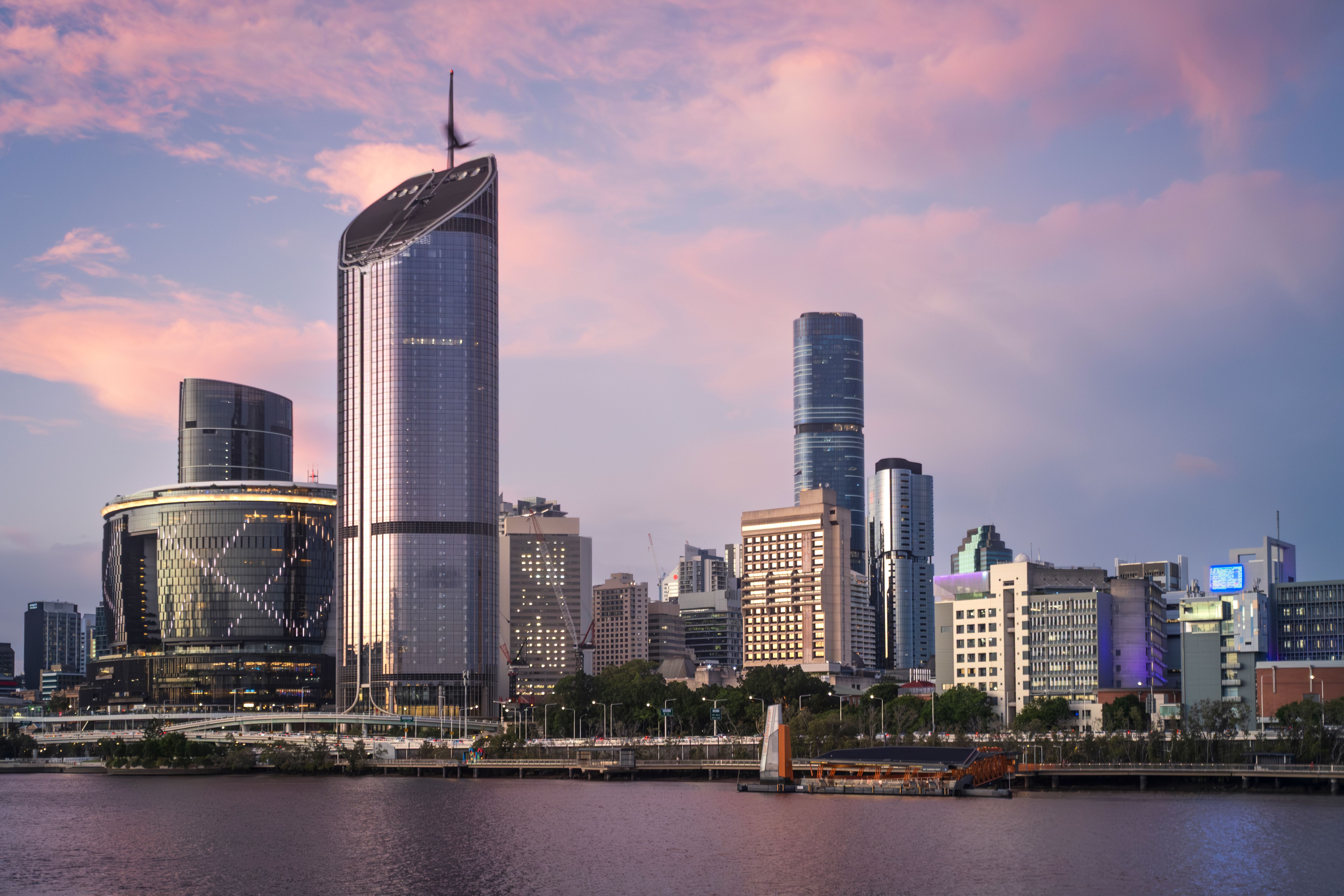
Brisbane, the capital of Queensland, Australia, is a city known for its vibrant culture, stunning landscapes, and urban development. Over the years, town planning projects in Brisbane have played a crucial role in shaping the city’s infrastructure and community well-being. This case study explores some of the most successful town planning projects in Brisbane that have significantly contributed to its growth and development.
South Bank Parklands: A Green Urban Oasis
One of Brisbane's most iconic town planning successes is the South Bank Parklands. Developed on the site of World Expo 88, this urban oasis transformed a once-industrial area into a thriving public space. The project aimed to create a diverse environment where nature and urban life coexist harmoniously.
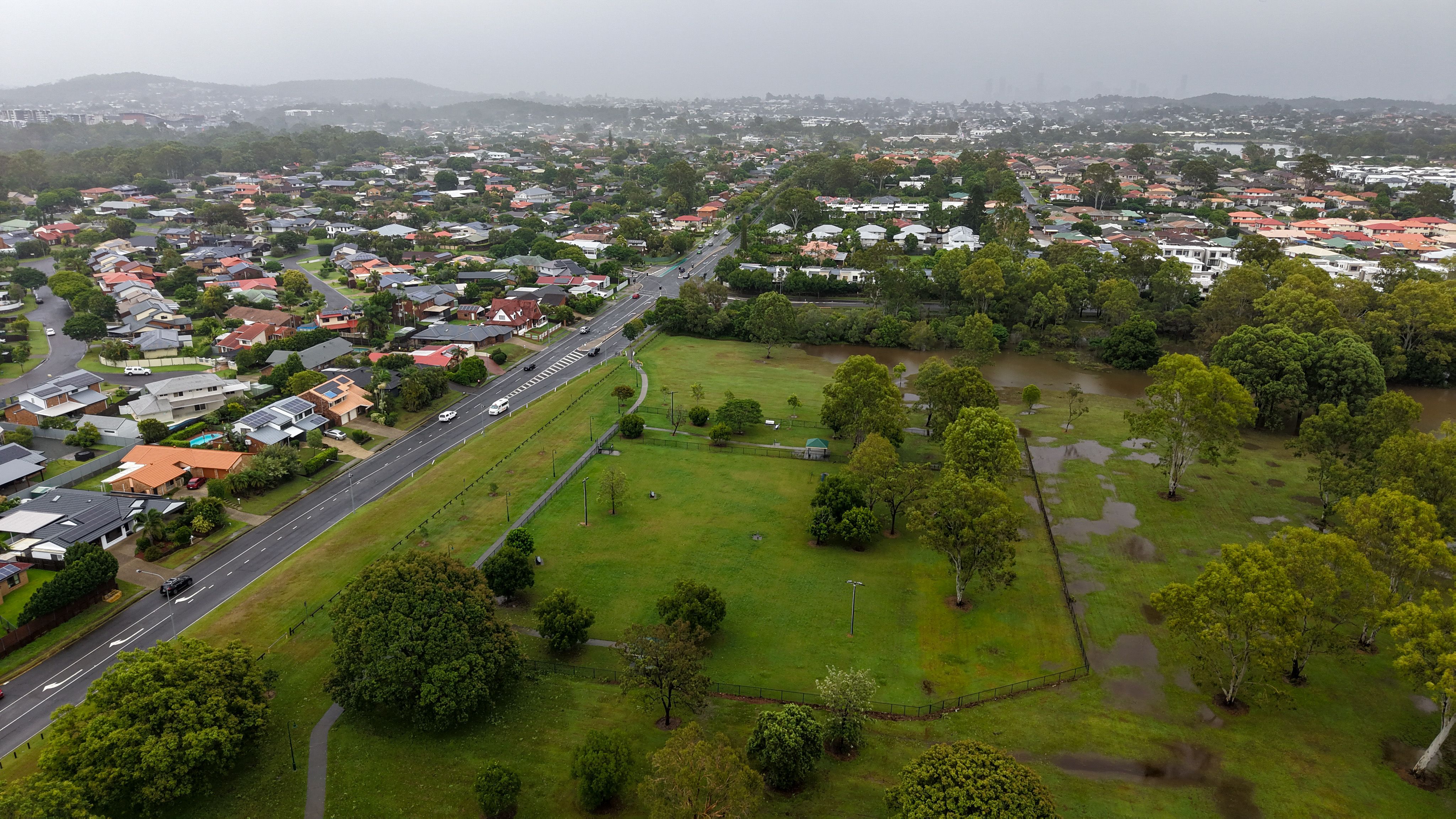
The parklands feature a man-made beach, walking tracks, and a variety of cultural venues. The integration of green spaces with commercial and recreational areas has made South Bank a popular destination for both locals and tourists. This project highlights the importance of including natural elements in urban planning.
Howard Smith Wharves: Revitalizing a Heritage Site
Another notable project is the Howard Smith Wharves redevelopment. Originally constructed in the 1930s, the site had been underutilized for decades. Recent efforts aimed to repurpose the area while preserving its historical significance.
The redevelopment included the creation of a vibrant precinct featuring restaurants, event spaces, and public parks. By maintaining the heritage-listed buildings, the project successfully blends Brisbane’s history with modern amenities, creating a unique cultural landmark.
Brisbane Metro: A Leap in Public Transport
The Brisbane Metro project is an ambitious initiative designed to improve the city’s public transport network. This high-frequency bus service aims to enhance connectivity across Brisbane’s major activity centers. Its development focuses on reducing traffic congestion and promoting sustainable travel options.
The project involves constructing new infrastructure, including busways and stations, to streamline public transport services. By prioritizing efficiency and accessibility, Brisbane Metro is set to transform the commuting experience for residents and visitors alike.
New Farm Riverwalk: Enhancing Connectivity
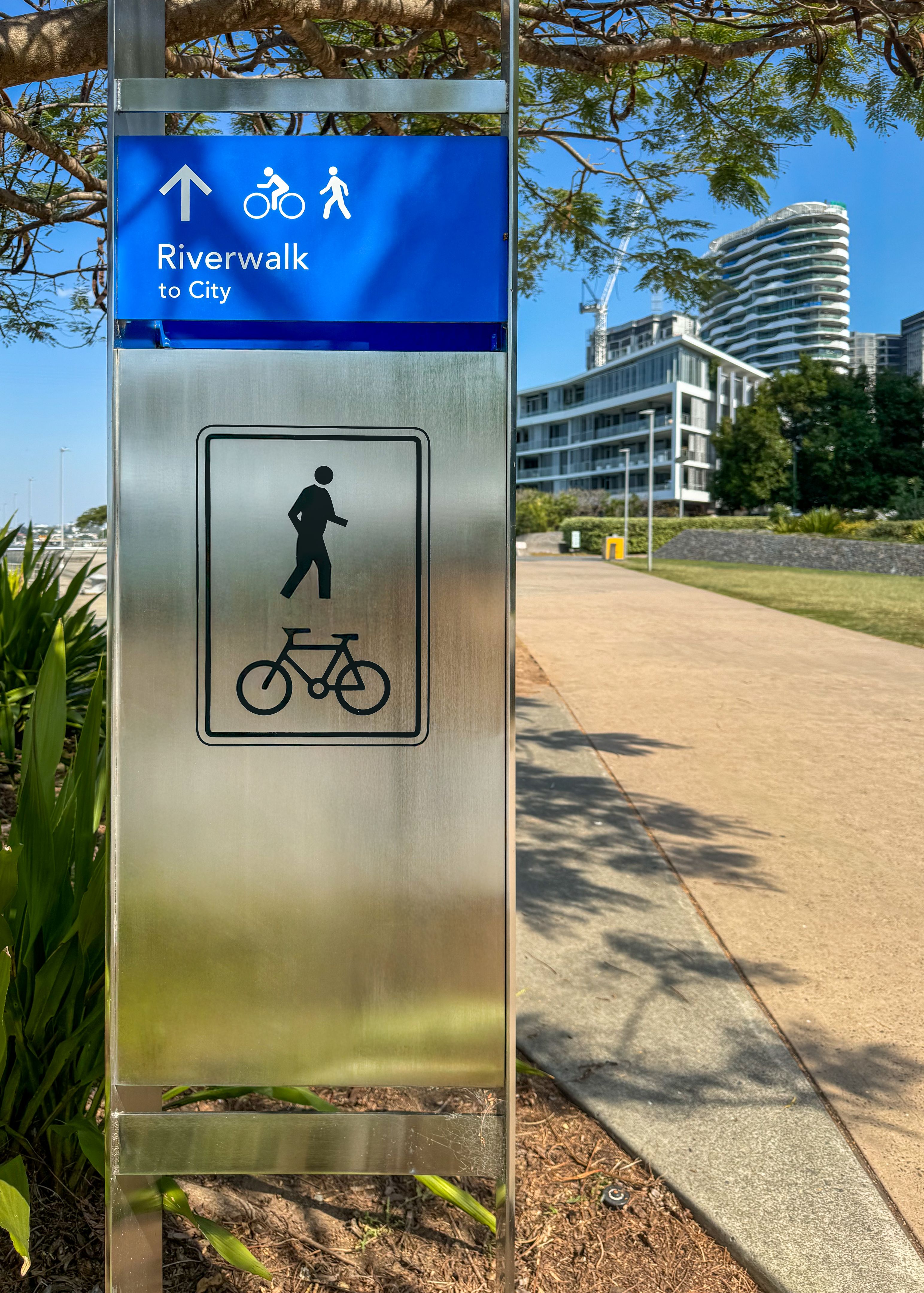
The New Farm Riverwalk is a key example of successful urban planning aimed at enhancing pedestrian and cyclist connectivity. Originally constructed in 2003 and rebuilt after flood damage in 2011, this floating walkway links New Farm with Brisbane’s central business district.
The Riverwalk provides a scenic route along the Brisbane River, encouraging active transportation and reducing reliance on motor vehicles. This project demonstrates how innovative infrastructure can promote healthier lifestyles while reducing environmental impact.
Conclusion: Lessons from Successful Projects
Brisbane’s town planning projects offer valuable insights into effective urban development strategies. Key takeaways include:
- Integration of green spaces: Projects like South Bank Parklands show the benefits of blending nature with urban environments.
- Preservation of heritage: Howard Smith Wharves exemplifies how maintaining historical elements can enhance modern developments.
- Focus on connectivity: Initiatives such as Brisbane Metro and New Farm Riverwalk highlight the importance of efficient transport solutions.
These projects illustrate how thoughtful planning can create vibrant, sustainable cities that cater to diverse community needs. As Brisbane continues to evolve, its successful town planning endeavors serve as a blueprint for future urban development both locally and globally.