
Case Study: Successful Smart City Projects in Brisbane


Introduction to Smart Cities
Brisbane has emerged as a leader in smart city innovation, leveraging technology to create a more efficient, sustainable, and livable urban environment. This case study explores some of the most successful projects implemented in Brisbane, highlighting their impact on the city's infrastructure and citizens.

Intelligent Transport Systems
One of Brisbane's key smart city initiatives is the development of an Intelligent Transport System (ITS). This system uses real-time data to improve traffic flow, reduce congestion, and enhance public transportation. The integration of advanced traffic management technologies has resulted in a significant decrease in commute times and emissions.
Brisbane's ITS includes smart traffic lights that adapt to current traffic conditions, providing a more seamless driving experience. These improvements have not only benefited individual commuters but have also contributed to the city's overall economic productivity.
Smart Water Management
Water management is another critical area where Brisbane has excelled. The city has implemented smart water systems that monitor usage and detect leaks in real-time. This proactive approach has led to a reduction in water waste and ensured a more sustainable water supply for the future.

The smart water initiative utilizes sensors and data analytics to provide detailed insights into water consumption patterns. These insights enable the city to implement targeted conservation strategies, making Brisbane a model for water sustainability.
Energy Efficiency and Sustainability
Brisbane has also focused on enhancing energy efficiency through the deployment of smart grids. These grids optimize energy distribution, reducing waste and lowering energy costs for residents. Additionally, the city has invested in renewable energy sources, further solidifying its commitment to sustainability.
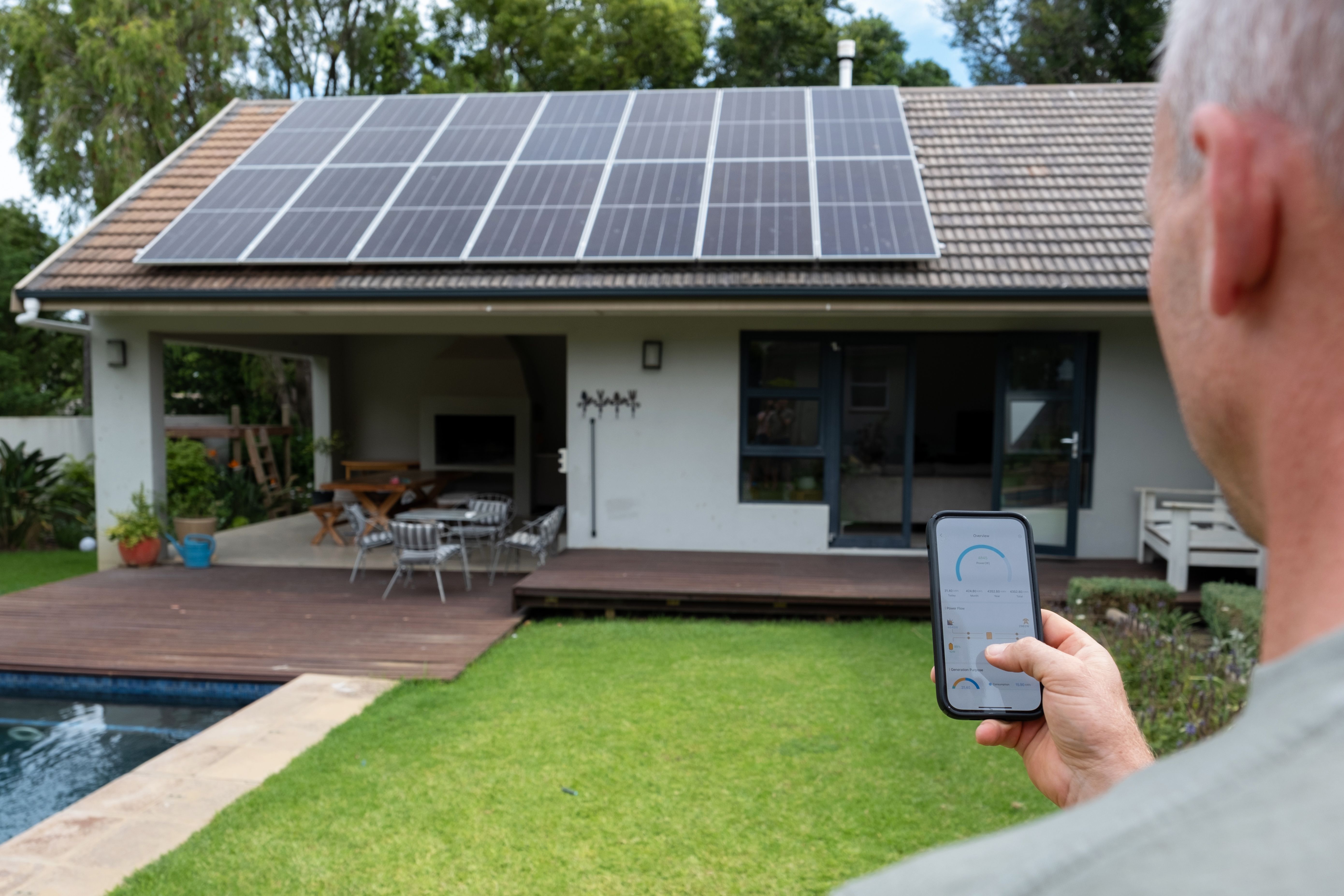
By integrating solar panels and energy storage systems, Brisbane has increased its reliance on clean energy. This shift not only benefits the environment but also strengthens the city's resilience against energy disruptions.
Community Engagement and Digital Inclusion
Ensuring that all residents can participate in the digital transformation is a priority for Brisbane. The city has launched initiatives to bridge the digital divide, providing access to technology and digital literacy programs for underserved communities.
Through public Wi-Fi hotspots and community workshops, Brisbane is fostering a more inclusive urban environment. These efforts empower citizens to engage with smart city technologies and contribute to the city's ongoing innovation.
Conclusion
Brisbane's smart city projects demonstrate the transformative power of technology in urban development. By focusing on intelligent transport, water management, energy efficiency, and digital inclusion, Brisbane has created a blueprint for other cities seeking to enhance their urban environments.
These initiatives not only improve the quality of life for residents but also position Brisbane as a global leader in smart city innovation. As other cities look to emulate Brisbane's success, they can draw valuable lessons from these groundbreaking projects.