Case Study: Successful Town Planning Projects in Brisbane


Introduction to Brisbane's Town Planning Success
Brisbane, the vibrant capital of Queensland, has become a model city for successful town planning projects. Over the past few decades, Brisbane has experienced significant growth, and with it, innovative urban planning initiatives have emerged. This blog post explores some of the most successful projects that have shaped the city into what it is today.
South Bank Parklands: A Riverside Revival
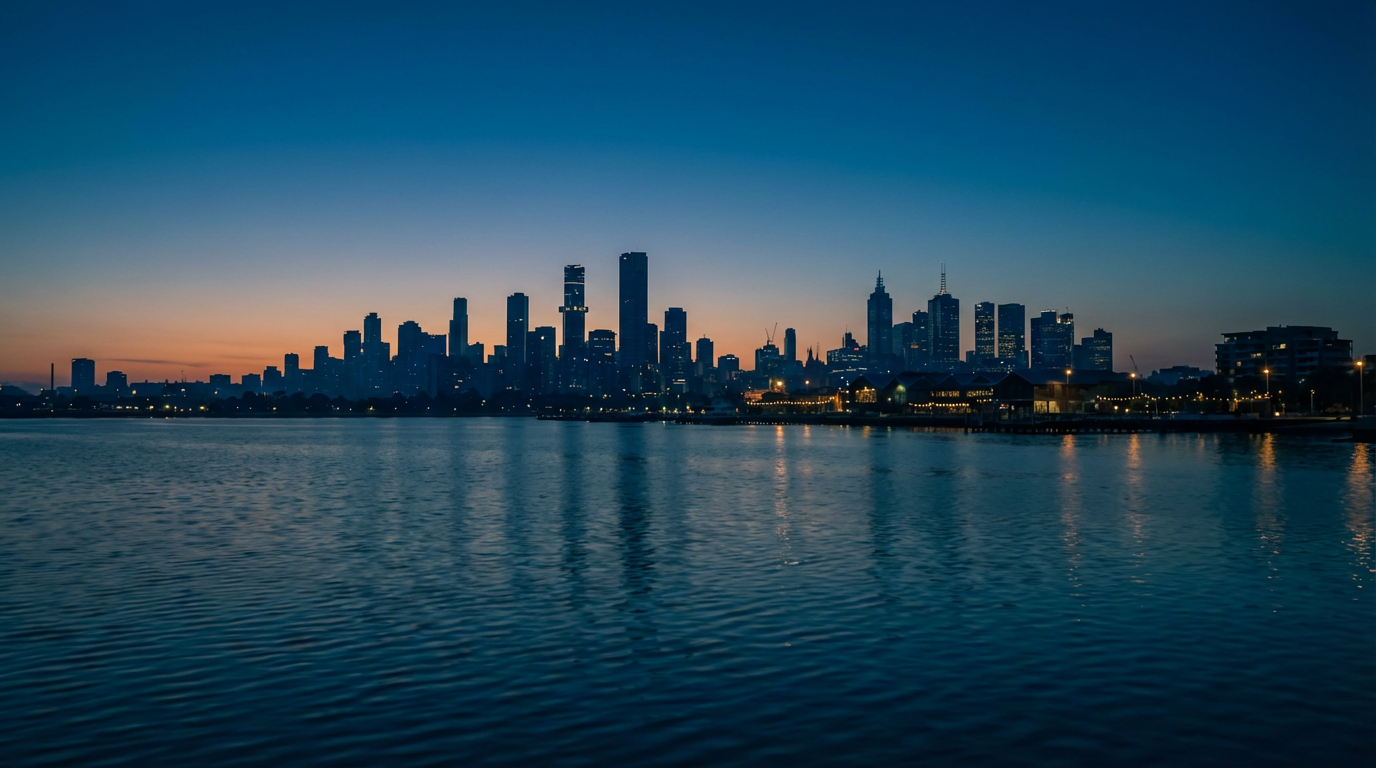
One of Brisbane's most celebrated town planning achievements is the transformation of the South Bank area. Initially the site of the World Expo in 1988, this area was redeveloped into the South Bank Parklands. The project focused on creating a recreational space that offers cultural and leisure activities for both residents and visitors.
The parklands feature beautifully landscaped gardens, a stunning riverfront promenade, and vibrant cultural venues. The project has not only enhanced the aesthetic appeal of the area but has also provided a boost to the local economy by attracting tourists and new businesses.
Brisbane's Green Spaces Initiative
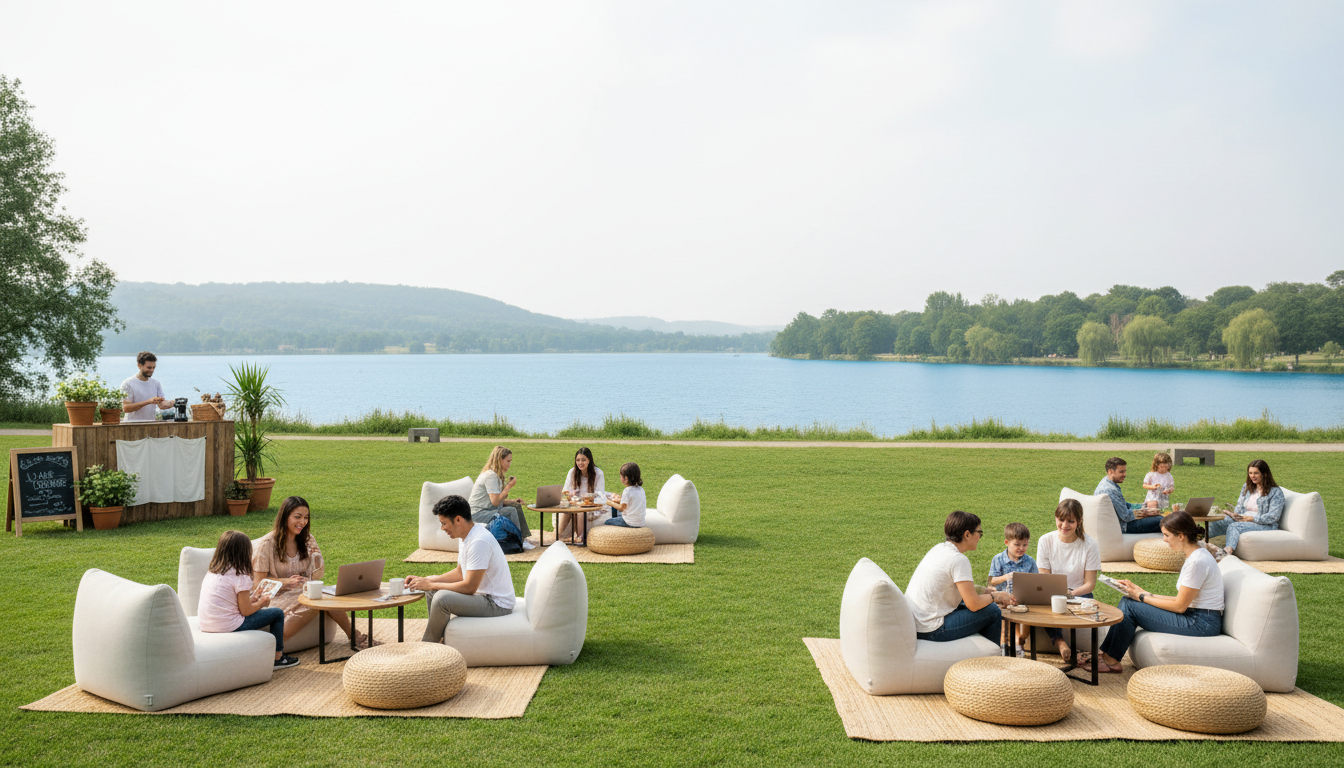
Another key element of Brisbane's town planning success is its commitment to green spaces. The city's Green Spaces Initiative aims to ensure that all residents have access to parks and natural environments. This initiative has led to the development and preservation of numerous parks throughout the city.
Some notable examples include the Brisbane Botanic Gardens and Roma Street Parkland. These spaces provide essential ecological benefits and serve as community hubs where people can engage in outdoor activities. The emphasis on green spaces reflects Brisbane's dedication to sustainability and improving quality of life.
Innovative Public Transport Solutions
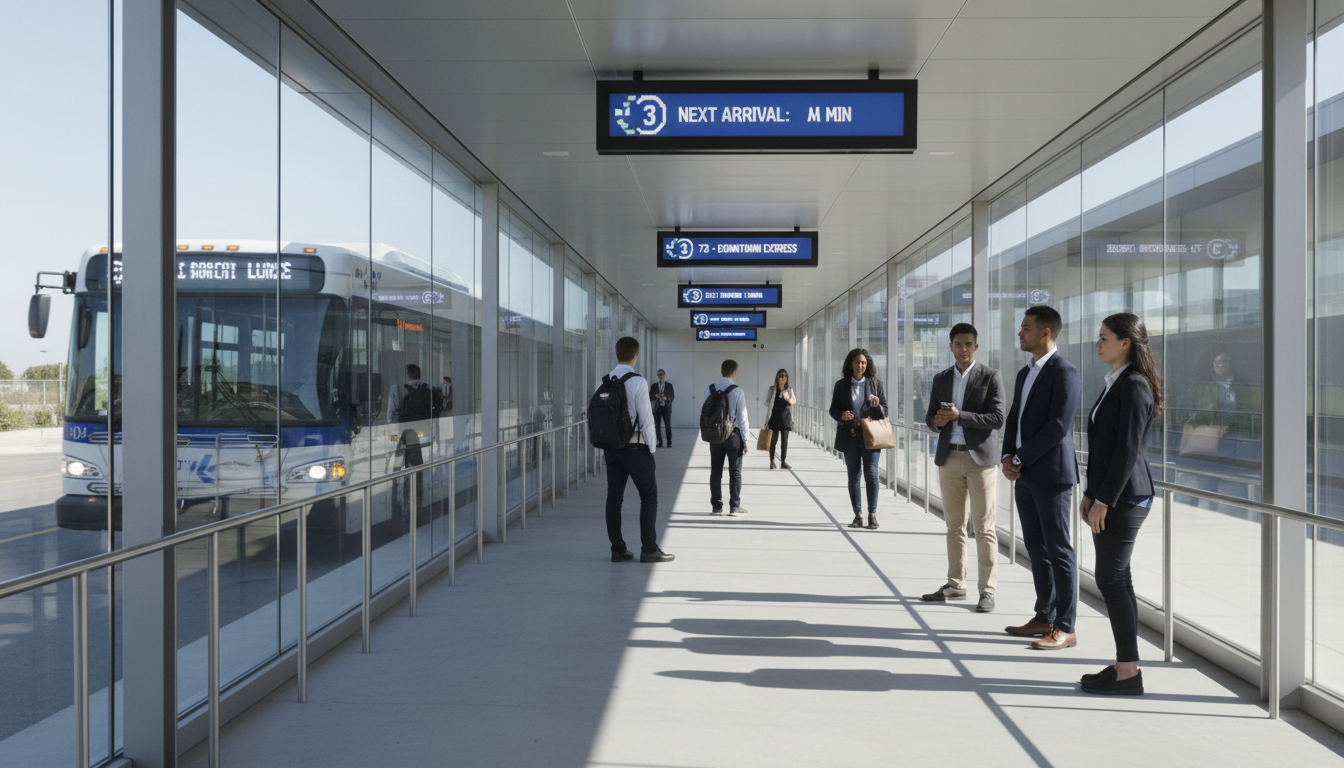
Brisbane's approach to public transport has been another cornerstone of its successful town planning. With the introduction of the Bus Rapid Transit (BRT) system, the city has significantly improved its public transport network. The BRT system is designed to offer efficient and reliable services, reducing traffic congestion and carbon emissions.
Additionally, the city's investment in expanding bike lanes and pedestrian pathways encourages sustainable commuting options. These developments highlight Brisbane's forward-thinking strategy in integrating various modes of transport, making it easier for residents to navigate the city.
Community-Centric Urban Development
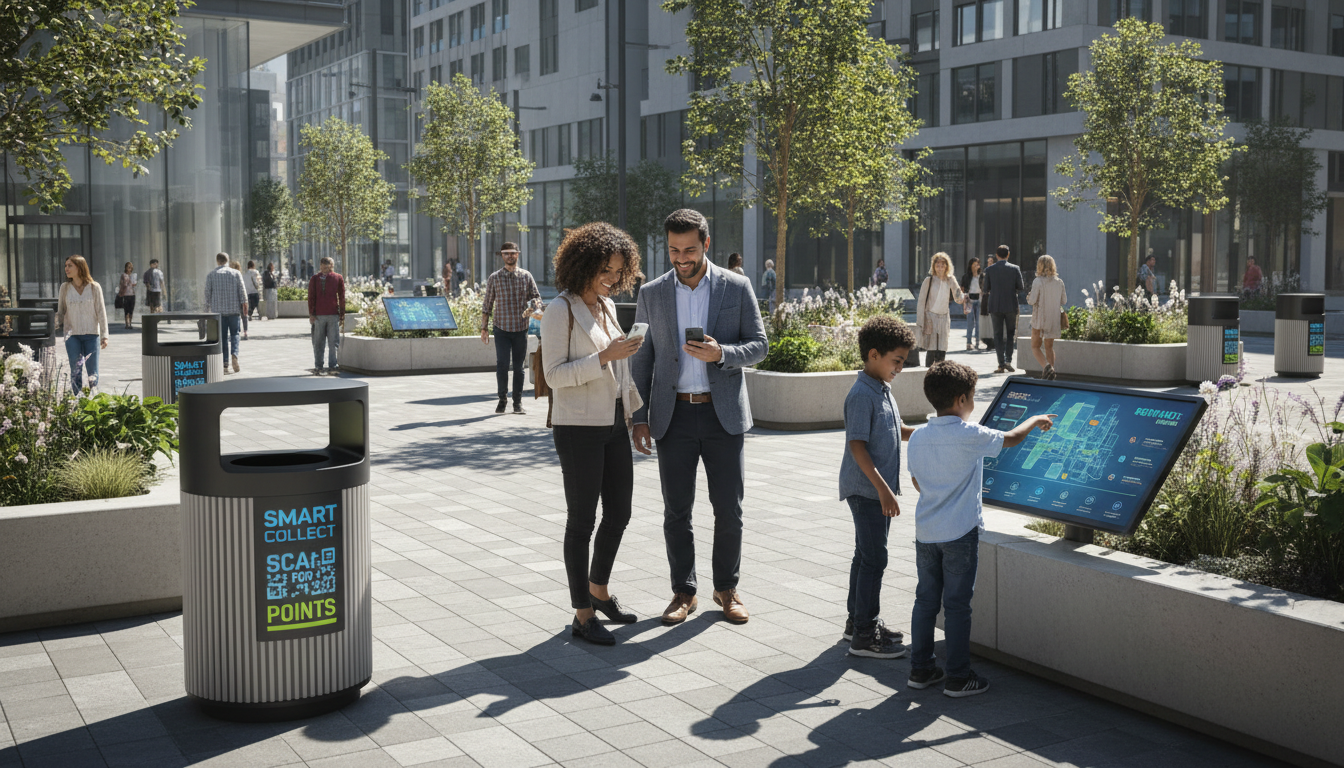
Brisbane's town planning projects emphasize community-centric development. The city's planners prioritize creating spaces that foster community engagement and support a diverse population. This is evident in residential planning, where mixed-use developments incorporate residential, commercial, and recreational facilities.
Projects like the Howard Smith Wharves redevelopment exemplify this approach. The area has been revitalized into a dynamic precinct featuring dining, entertainment, and public spaces, all while preserving its historical significance. This blend of old and new enhances the city's cultural fabric.
Conclusion: Lessons Learned from Brisbane
Brisbane's successful town planning projects offer valuable lessons for other cities seeking to balance growth with sustainability and livability. By prioritizing green spaces, innovative transport solutions, and community-centric development, Brisbane has created a blueprint for urban success.
As cities around the world continue to grow, Brisbane's achievements serve as an inspiring example of how thoughtful planning can lead to vibrant and sustainable urban environments.