
Case Study: Successful Urban Development Projects in Brisbane


Introduction to Brisbane's Urban Development
Brisbane, the vibrant capital of Queensland, has become a beacon of innovative urban development. As the city expands, several projects have set new standards in sustainability, community engagement, and architectural design. This case study delves into some of the most successful urban development initiatives that have transformed Brisbane into a modern metropolis.
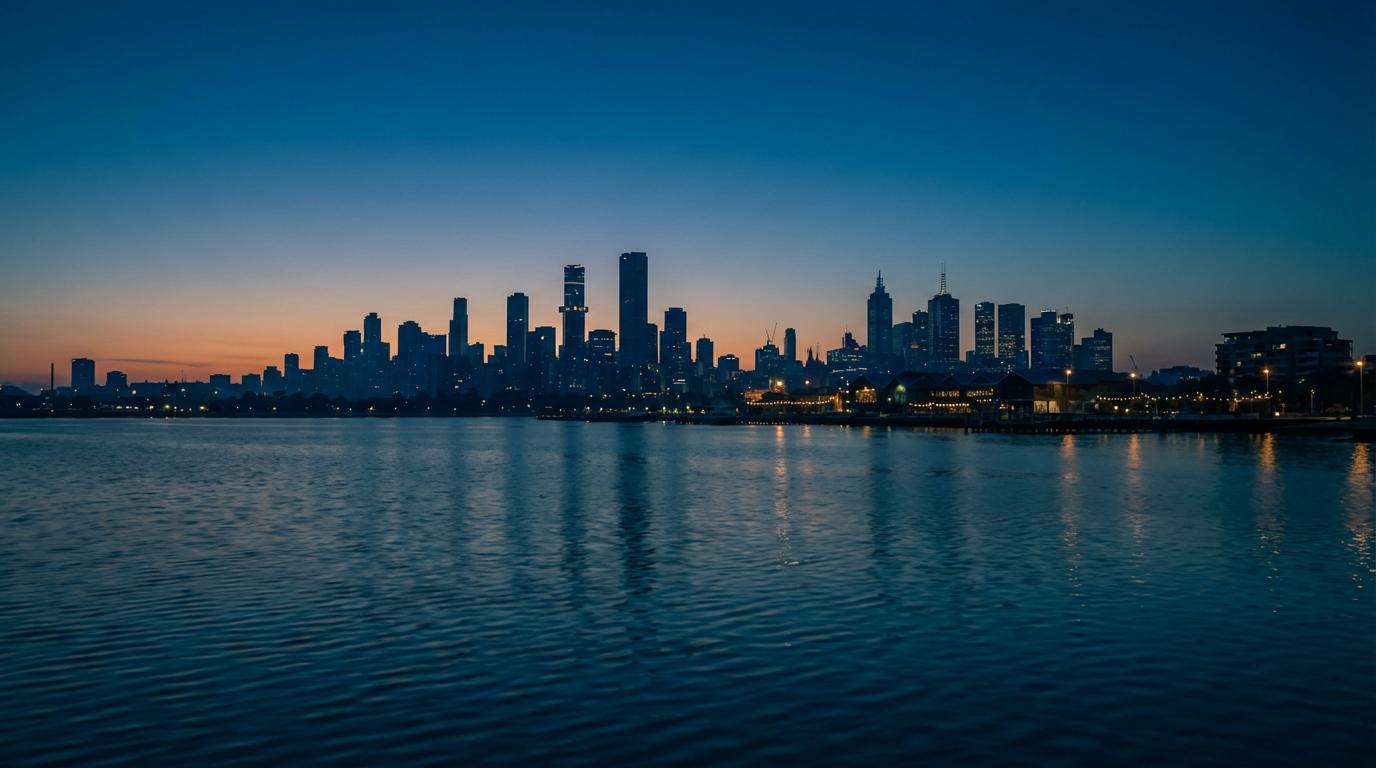
South Bank Parklands: A Model of Mixed-Use Development
The South Bank Parklands is a testament to Brisbane's commitment to creating multifunctional spaces. Redeveloped from a former industrial site, South Bank now offers a harmonious blend of recreational, residential, and commercial uses. The 17-hectare area features lush gardens, walking paths, and cultural venues, making it a popular destination for both locals and tourists.
One of the standout features of South Bank is its focus on sustainability. The parklands incorporate eco-friendly practices, including water-efficient landscaping and solar lighting, setting a benchmark for future projects in the city.
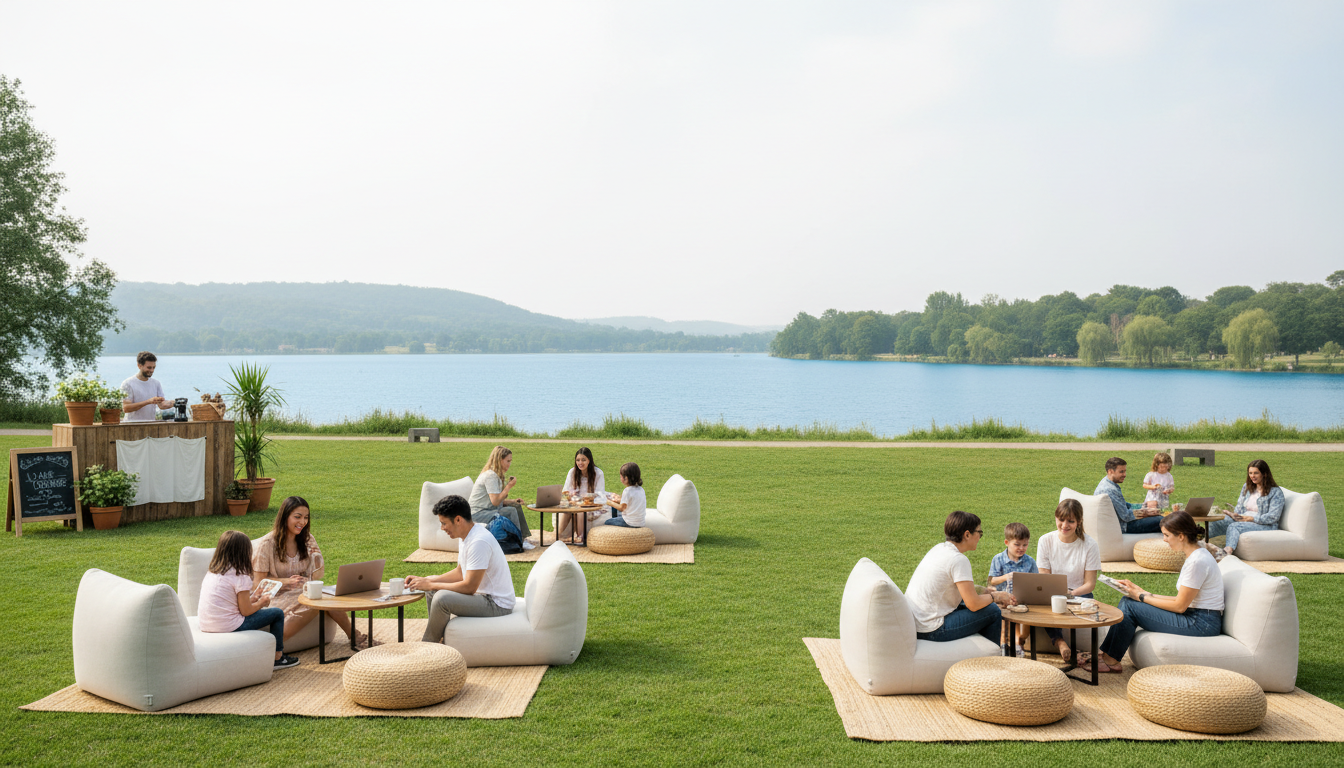
Community Engagement and Impact
Community involvement was pivotal in the success of South Bank Parklands. Extensive public consultations ensured that the development met the needs and desires of Brisbane's residents. This collaborative approach has fostered a strong sense of ownership and pride among the community, contributing to the parklands' enduring popularity.
Queen's Wharf Brisbane: A Hub of Innovation
Queen's Wharf Brisbane is another landmark development that has reshaped the city's skyline. This expansive project includes luxury hotels, residential towers, and entertainment facilities, all integrated with heritage buildings. The development's design emphasizes connectivity, with pedestrian bridges linking different parts of the precinct.
By prioritizing public transport accessibility and incorporating green spaces, Queen's Wharf demonstrates a forward-thinking approach to urban planning. The project is expected to generate thousands of jobs and significantly boost the local economy.
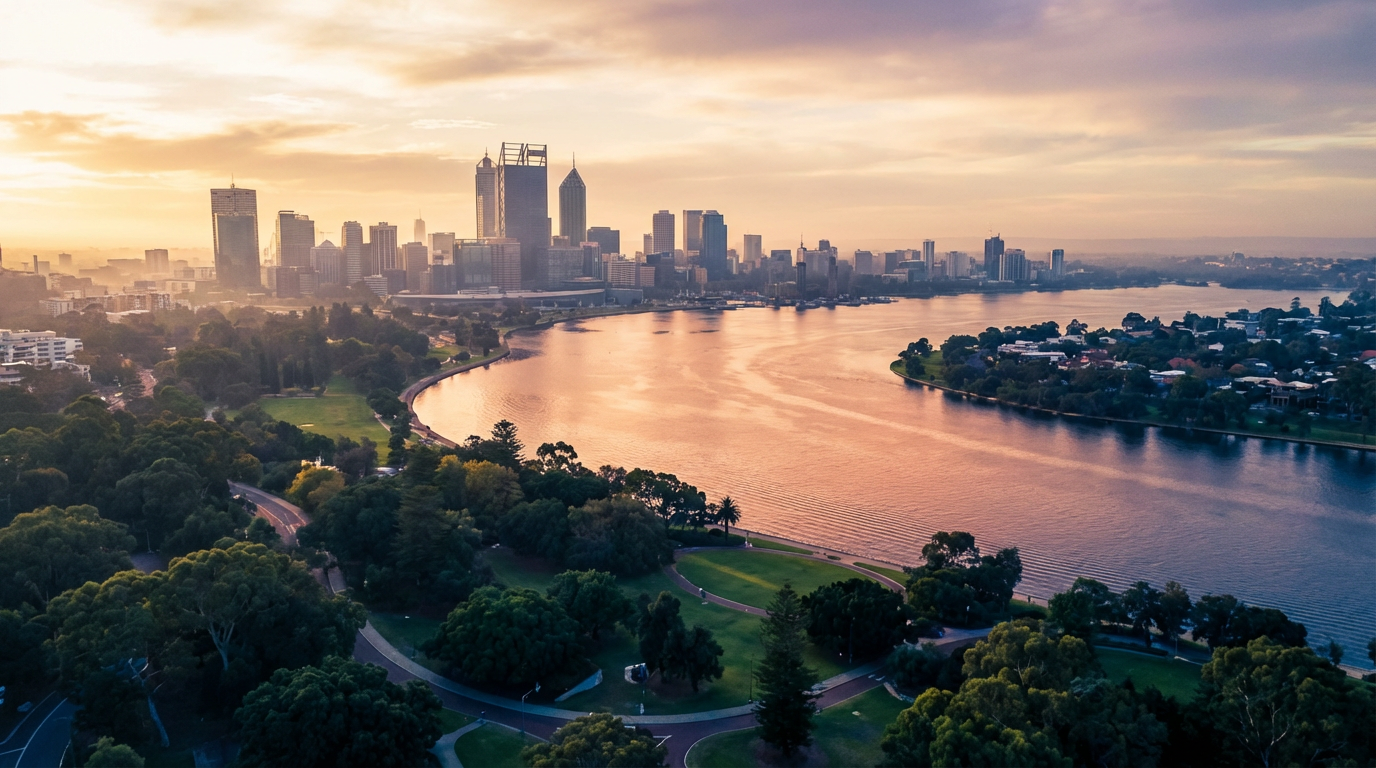
Heritage Preservation
A noteworthy aspect of Queen's Wharf is its commitment to preserving Brisbane's historical architecture. Several heritage buildings have been restored and repurposed, blending the old with the new. This balance between preservation and innovation has been crucial in maintaining Brisbane's unique character while embracing modernity.
Howard Smith Wharves: Revitalizing the Riverside
The transformation of Howard Smith Wharves is an excellent example of urban renewal. Located under the iconic Story Bridge, the once-neglected area has been revitalized into a lively precinct featuring dining, entertainment, and cultural spaces. The development maximizes its riverside location, offering stunning views and an inviting atmosphere.

Design and Accessibility
The design of Howard Smith Wharves emphasizes accessibility and inclusivity. Well-planned pathways and accessible facilities ensure that everyone can enjoy the space. Furthermore, the integration of public art and interactive elements adds a unique charm, enhancing the visitor experience.
Conclusion: Lessons Learned
Brisbane's urban development projects offer valuable lessons in sustainable planning, community engagement, and heritage preservation. By embracing these principles, the city continues to grow while maintaining its distinct identity. As Brisbane evolves, these successful projects serve as inspiring examples for other cities aiming to balance development with sustainability and community needs.