Common Misconceptions About Town Planning in Queensland


Understanding Town Planning in Queensland
Town planning is often surrounded by a variety of misconceptions, especially in regions like Queensland. These misunderstandings can lead to confusion and frustration for residents and developers alike. In this post, we'll explore some of the most common myths and clarify what town planning truly entails.
Myth 1: Town Planning Only Involves Zoning
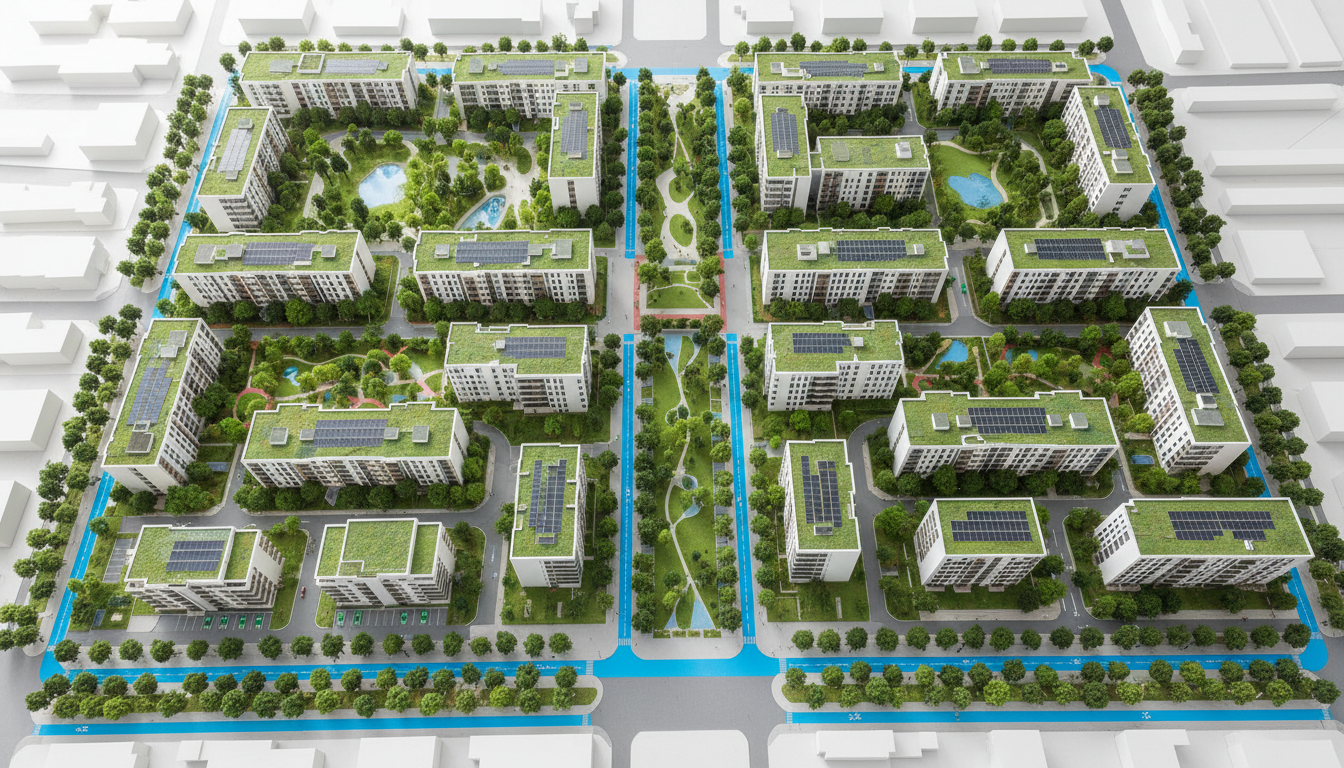
One widespread belief is that town planning is solely about zoning laws. While zoning is a significant part of the process, it is just one aspect. Town planning encompasses a broader range of activities, including land use, transportation planning, and environmental management. Planners work to create sustainable and livable communities by integrating these various elements.
For example, planners must consider how new developments will affect local infrastructure and whether they align with long-term community goals. This holistic approach ensures that growth is balanced and sustainable.
Myth 2: Town Planning Stifles Development
Another common misconception is that town planning hinders development. In reality, effective planning facilitates growth by ensuring that it occurs in a structured and sustainable manner. Rather than blocking development, planners aim to guide it in ways that benefit the community as a whole.

By setting clear guidelines and expectations, town planning helps developers understand what is permissible, reducing uncertainty and streamlining the approval process. This can lead to more efficient and successful projects.
Myth 3: Public Input Is Not Considered
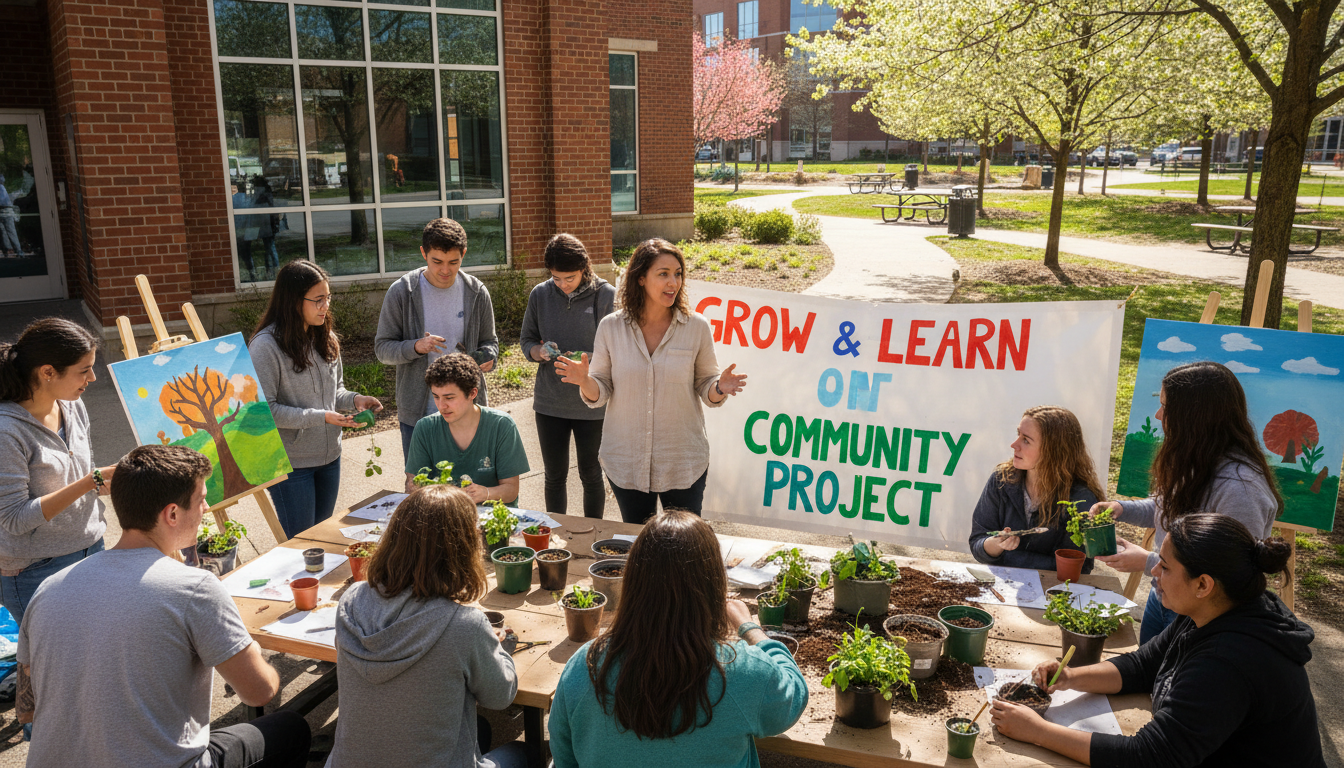
Many believe that public opinion is ignored in the town planning process. However, community engagement is a critical component of planning in Queensland. Planners often hold public consultations and workshops to gather input from residents, ensuring that plans reflect the needs and desires of the community.
- Public meetings
- Surveys
- Workshops
- Online platforms for feedback
These tools allow residents to voice their opinions and provide feedback, which is then considered in the decision-making process.
Myth 4: Town Planning Is a One-Time Process
Some people assume that once a town plan is created, it remains unchanged. In reality, town planning is an ongoing process that requires regular updates to adapt to changing circumstances. Planners must continuously monitor developments and revise plans to address emerging challenges and opportunities.
For instance, changes in population density, environmental concerns, and technological advancements can all necessitate revisions to existing plans. This dynamic approach ensures that town planning remains relevant and effective.
Conclusion
Understanding the complexities of town planning in Queensland is essential for both residents and developers. By dispelling these common misconceptions, we can appreciate the critical role that planning plays in creating vibrant, sustainable communities. Engaging with the planning process and staying informed can lead to a more collaborative and effective approach to community development.