Expert Insights: Future Trends in Queensland Urban Growth


Understanding Urban Growth in Queensland
Queensland, known for its diverse landscapes and vibrant cities, is on the brink of significant urban transformation. As population dynamics shift and technology advances, urban planners and developers are tasked with envisioning a future that balances growth with sustainability. In this article, we delve into expert insights on the trends shaping urban growth in Queensland, offering a glimpse into the future of this dynamic region.
Population Growth and Migration
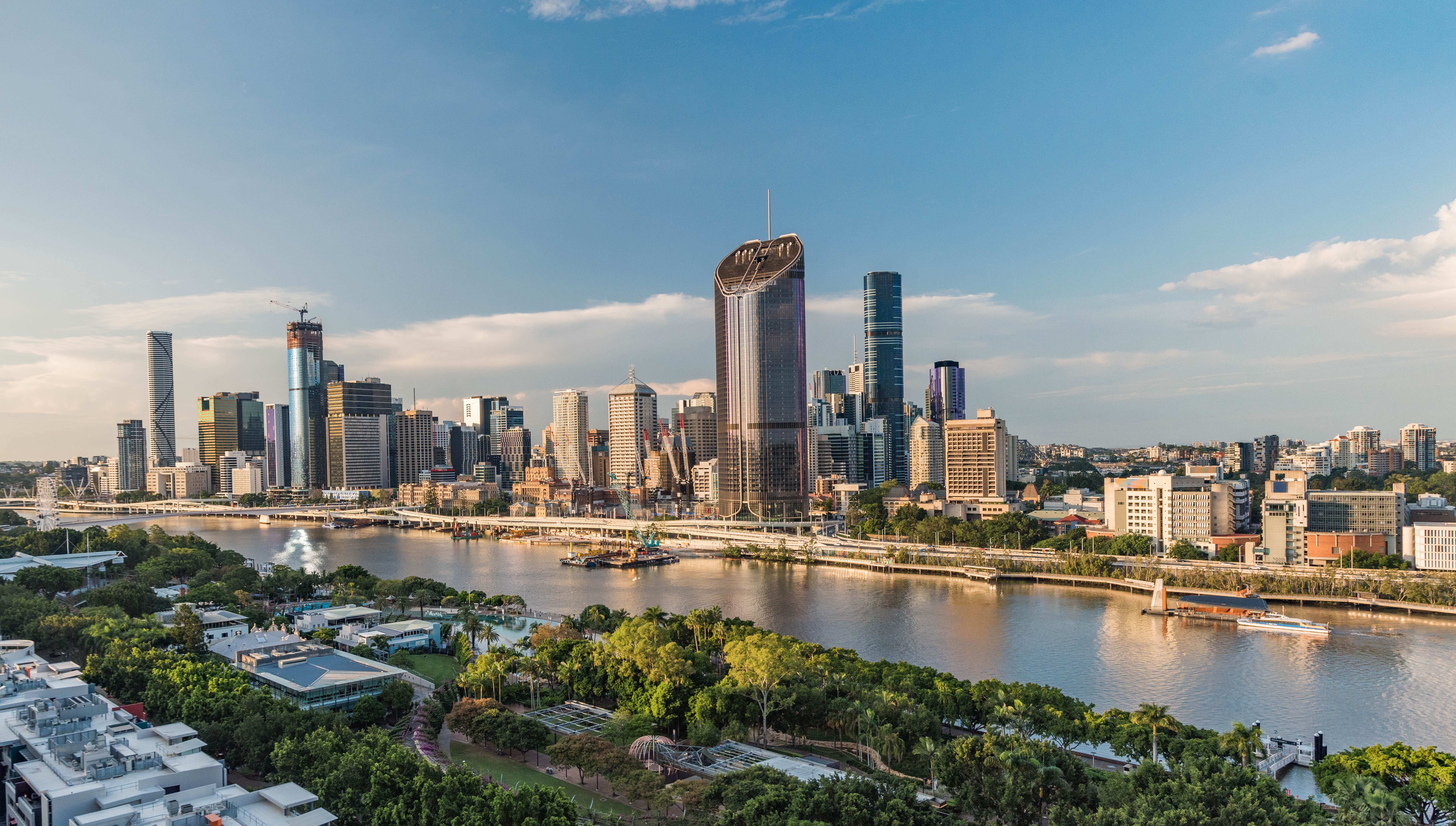
One of the primary drivers of urban expansion in Queensland is population growth. The state's population is projected to continue its upward trajectory, fueled by both natural growth and migration. Experts predict that this influx will necessitate substantial infrastructure development and housing solutions. As urban areas become more densely populated, the focus will shift towards creating livable, efficient, and inclusive cities.
Migration trends also play a crucial role. Queensland's appeal to interstate and international migrants is expected to increase, driven by its economic opportunities and enviable lifestyle. This will require strategic planning to accommodate diverse communities while preserving the unique cultural heritage of the region.
Technological Advancements in Urban Planning
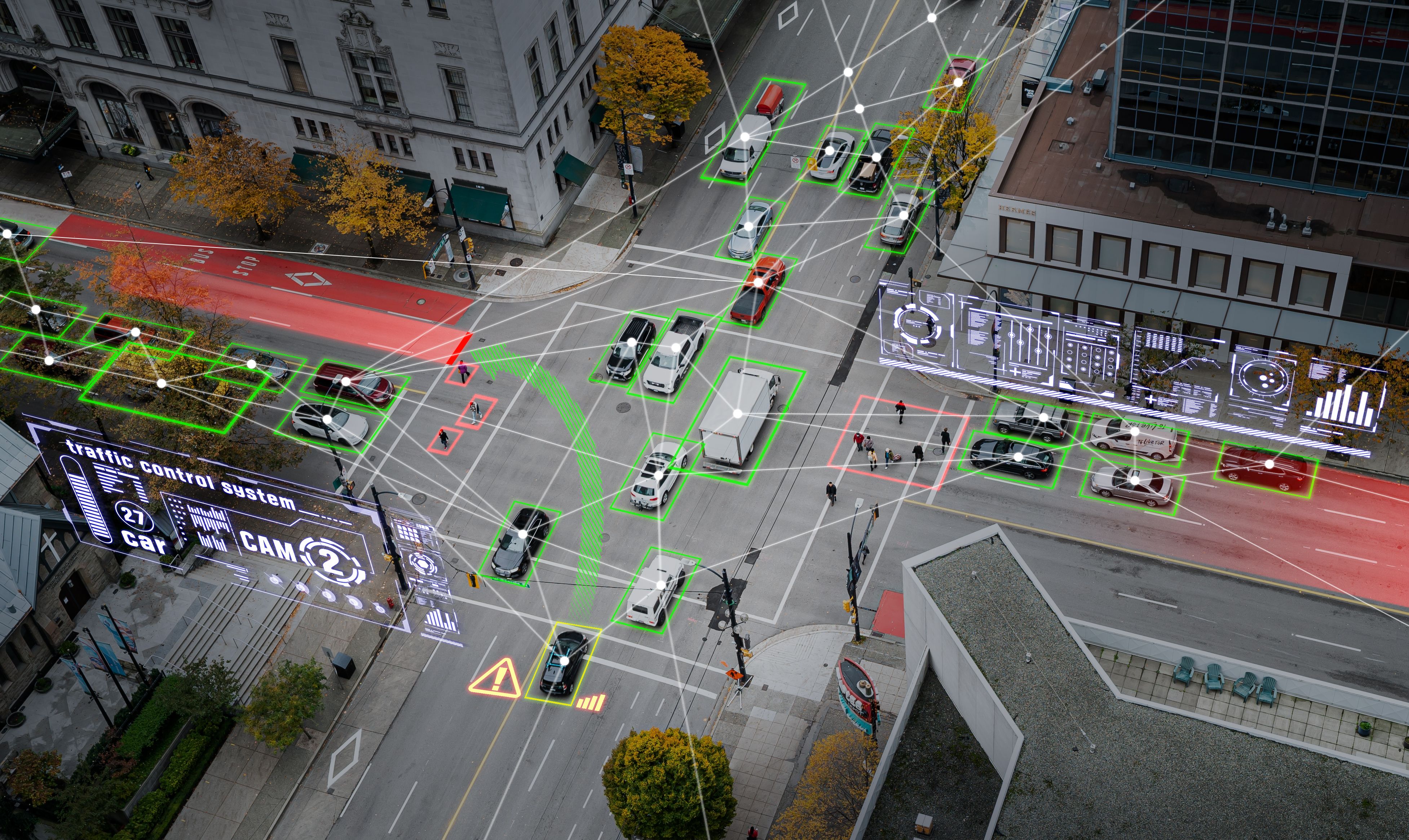
The integration of technology in urban planning is revolutionizing how cities are designed and managed. Smart city initiatives are at the forefront, utilizing data analytics, IoT devices, and artificial intelligence to enhance urban living. In Queensland, these technologies are being harnessed to improve traffic management, reduce energy consumption, and enhance public services.
An emphasis on digital infrastructure will be key in supporting these advancements. As more residents rely on digital services for work and leisure, ensuring robust connectivity will be essential. This technological evolution not only promises more efficient cities but also offers new economic opportunities for tech businesses.
Sustainability and Green Spaces
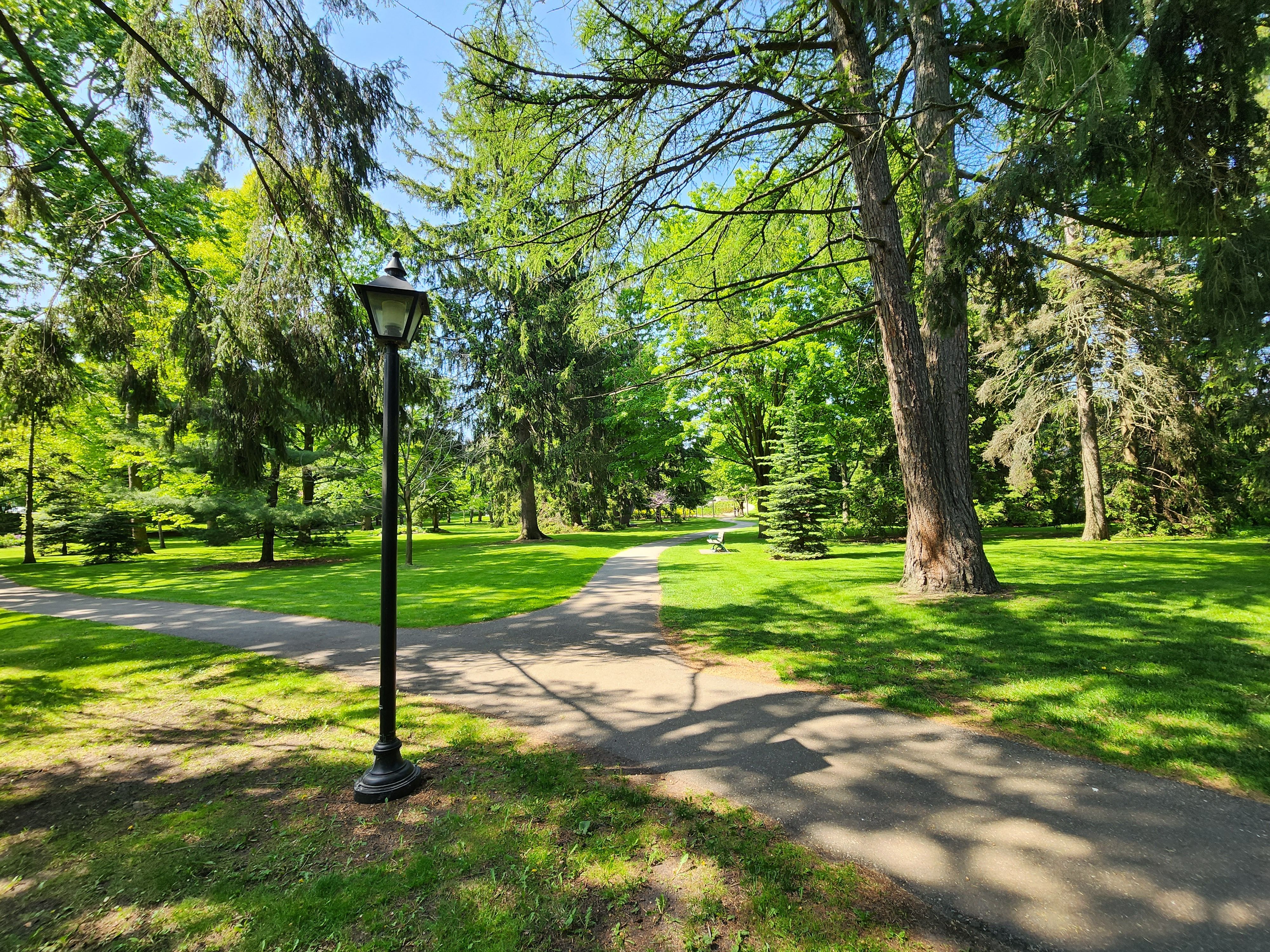
With urban growth comes the responsibility to protect the environment. Queensland's future cities are expected to prioritize sustainability, integrating green spaces and environmentally friendly practices into their design. Urban planners are increasingly focusing on reducing carbon footprints by promoting public transport, cycling, and walking as viable alternatives to car travel.
The incorporation of green roofs, urban forests, and community gardens will contribute to a healthier environment. These initiatives not only support biodiversity but also enhance residents' quality of life by providing recreational spaces and improving air quality.
Challenges and Opportunities
While the prospects for Queensland's urban growth are promising, several challenges must be addressed. Housing affordability remains a pressing issue as demand outstrips supply in many urban areas. Strategies to provide affordable housing options without compromising quality will be crucial.
Moreover, as climate change impacts become more pronounced, cities must adapt to increased risks such as flooding and heatwaves. Resilient infrastructure and emergency preparedness plans will be vital in safeguarding communities.
The Role of Community Engagement
Successful urban growth hinges on active community engagement. Empowering residents to participate in planning processes ensures that development aligns with the needs and aspirations of the people it serves. In Queensland, fostering a sense of community ownership will be integral to creating vibrant and inclusive urban environments.

By leveraging local knowledge and encouraging public participation, planners can create cities that reflect the diversity of their inhabitants while promoting social cohesion and economic vitality.
In conclusion, Queensland's urban growth is poised for an exciting future marked by innovation and sustainability. Through strategic planning and community collaboration, it is possible to build cities that thrive both economically and environmentally, offering a high quality of life for all residents.