
Exploring Smart City Planning Innovations in Brisbane


Introduction to Smart City Planning
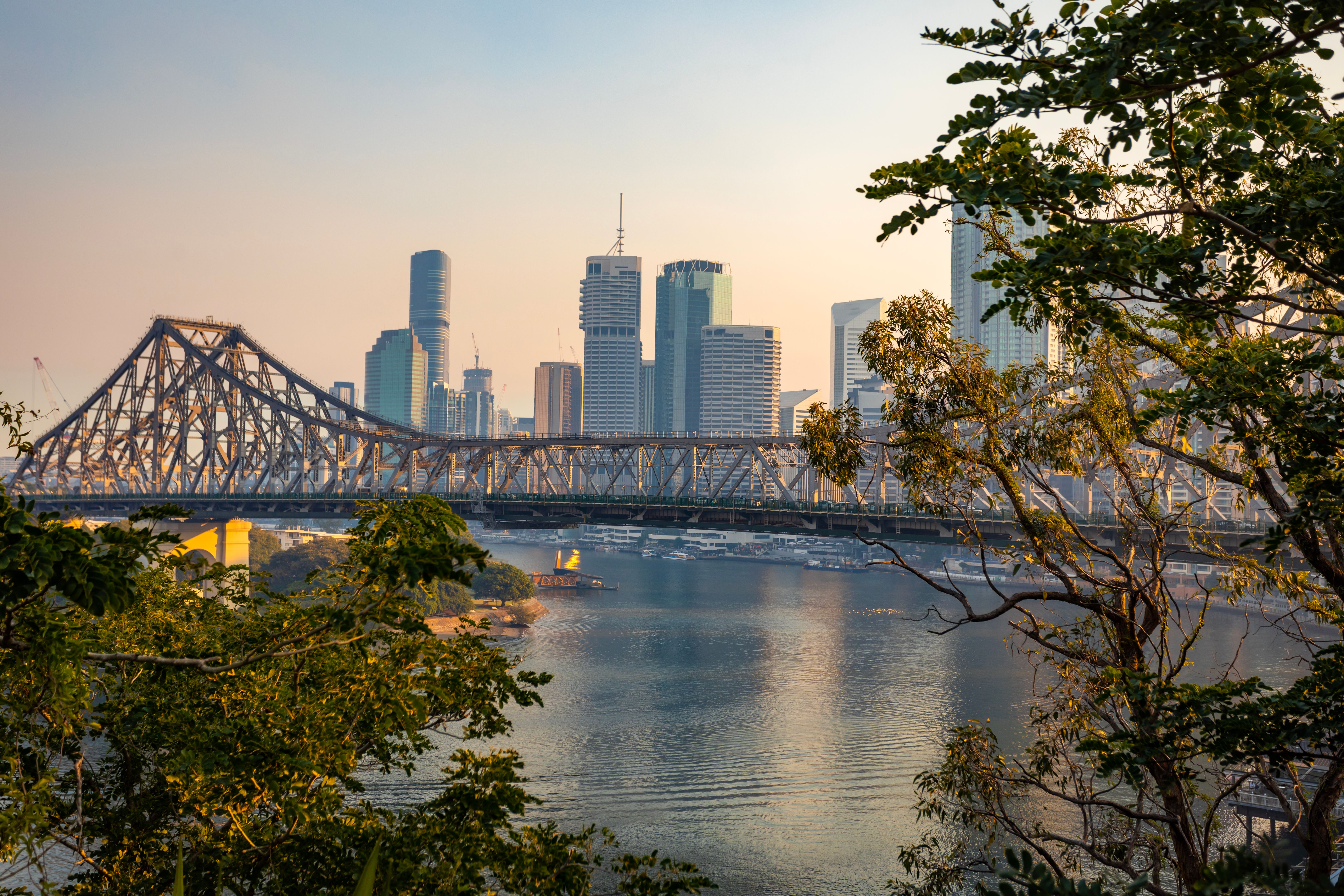
Brisbane is at the forefront of urban innovation, embracing smart city planning to enhance the quality of life for its residents. With rapid technological advancements, city planners are integrating cutting-edge solutions to address urban challenges. This approach not only improves infrastructure but also promotes sustainability and connectivity.
Leveraging Technology for Urban Efficiency
One of the primary goals of smart city planning is to optimize urban efficiency. Brisbane is utilizing technologies like the Internet of Things (IoT), artificial intelligence, and data analytics to streamline city operations. These technologies help in managing traffic flow, reducing energy consumption, and improving public services.
For instance, smart traffic lights and sensors are being deployed across the city to monitor traffic patterns. This real-time data allows for dynamic adjustments to traffic signals, minimizing congestion and reducing travel time for commuters.
Sustainability and Environmental Impact
Sustainability is a key focus in Brisbane's smart city initiatives. By integrating renewable energy sources and efficient waste management systems, the city aims to minimize its environmental footprint. Solar panels on public buildings and LED street lighting are just a few examples of the city's commitment to green energy.

Moreover, Brisbane is enhancing its public transportation network with eco-friendly options. Electric buses and smart ticketing systems not only reduce emissions but also encourage residents to use public transport, reducing the number of vehicles on the road.
Enhancing Connectivity and Citizen Engagement
Smart city planning in Brisbane is also about enhancing connectivity among its residents. With the proliferation of high-speed internet and mobile networks, the city is creating an interconnected urban ecosystem. Free public Wi-Fi in key areas ensures that everyone can access digital services seamlessly.
Furthermore, citizen engagement platforms are being developed to involve the community in decision-making processes. These platforms allow residents to provide feedback on urban projects and participate in local governance, fostering a more inclusive society.

Security and Resilience in Urban Planning
As cities become smarter, ensuring the security and resilience of digital infrastructures becomes crucial. Brisbane is investing in robust cybersecurity measures to protect its data and systems from potential threats. This proactive approach helps maintain trust among residents and prevents disruptions in essential services.
Additionally, smart city planning includes strategies for disaster management and resilience. Advanced monitoring systems provide early warnings for natural disasters, enabling timely responses and minimizing potential damage.
The Future of Smart City Development
Brisbane's commitment to smart city planning sets a benchmark for other cities aiming to enhance urban living through innovation. As technology continues to evolve, the possibilities for further advancements are limitless. The city's focus on sustainability, connectivity, and resilience ensures that Brisbane remains a vibrant and livable place for future generations.

By embracing these innovations, Brisbane is not just building a smarter city—it's creating a model for sustainable urban development that can inspire cities worldwide.