Myth-Busting: Common Misconceptions About Urban Growth in Brisbane


Understanding Urban Growth in Brisbane
Urban growth is a dynamic process, and in Brisbane, it has led to numerous misconceptions. These myths often stem from misunderstandings about development, infrastructure, and sustainability. Let’s explore some of these misconceptions and set the record straight.
Myth 1: Urban Growth Equals Uncontrolled Sprawl
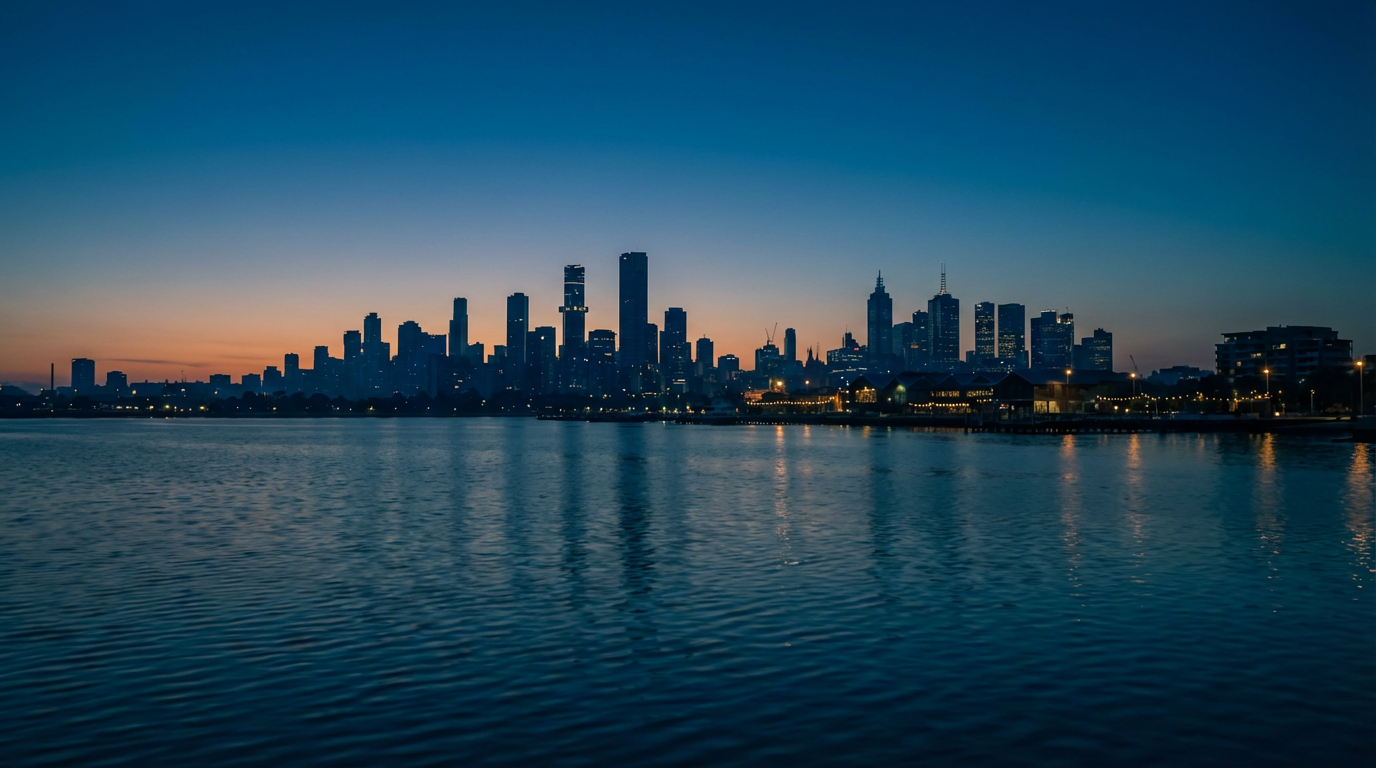
One common belief is that urban growth leads to unchecked sprawl. However, Brisbane's urban planning strategies are designed to manage growth efficiently. The city implements structured zoning laws and development plans to ensure sustainable expansion without compromising green spaces.
In fact, Brisbane’s focus on infill development helps to utilize existing spaces better. This approach minimizes the environmental impact and supports community infrastructure.
Myth 2: Urban Growth Harms the Environment
Another misconception is that urban expansion inevitably damages the environment. On the contrary, Brisbane has incorporated green building practices and sustainability initiatives into its growth plans. The city prioritizes eco-friendly construction and renewable energy, reducing carbon footprints.
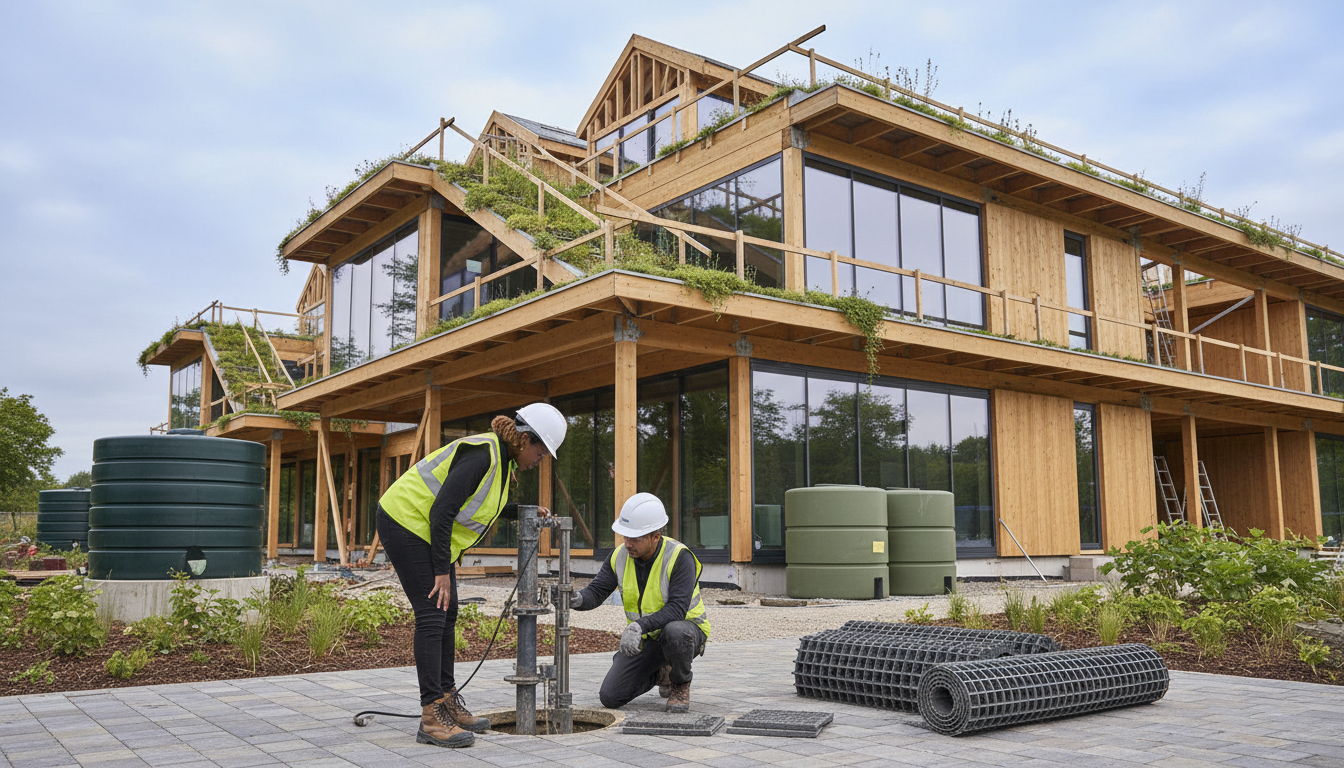
Additionally, Brisbane’s commitment to maintaining and expanding urban parks ensures that nature remains an integral part of the cityscape, providing residents with accessible green spaces.
Myth 3: Infrastructure Can’t Keep Up
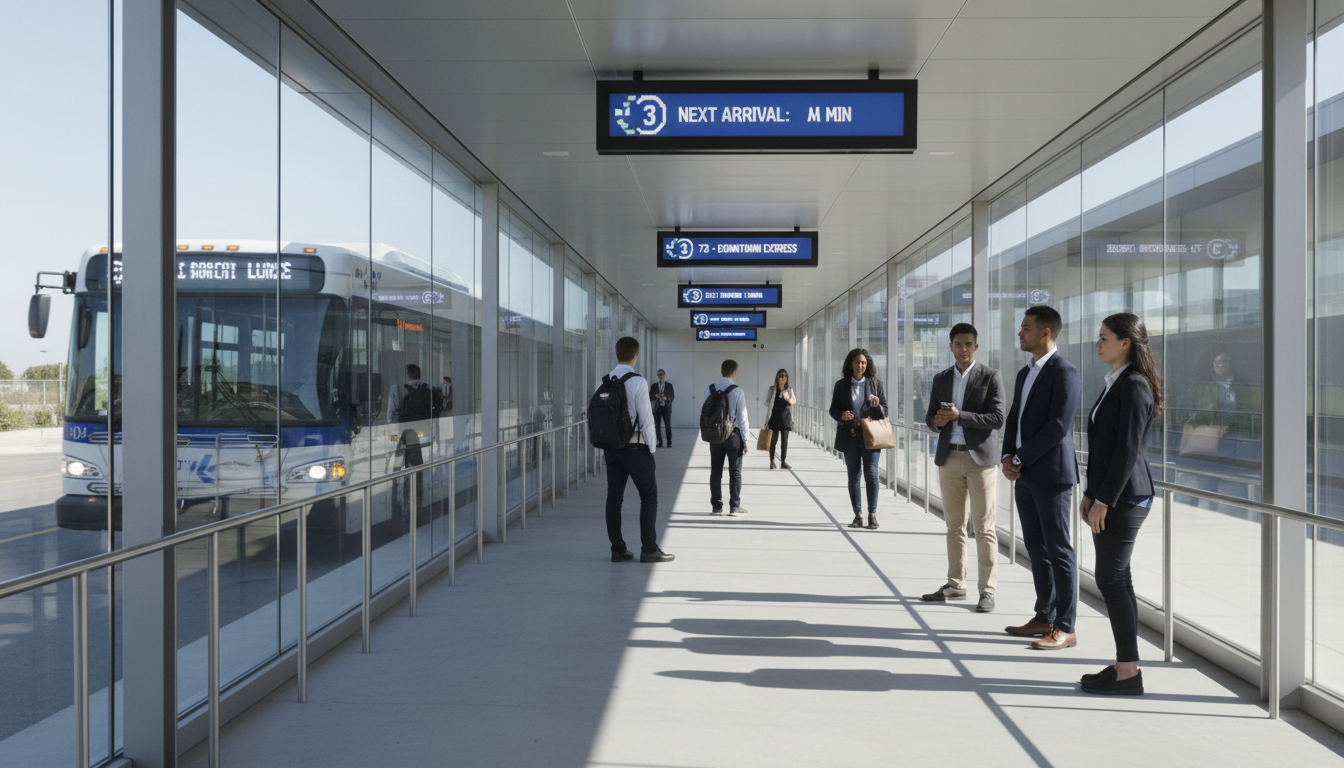
A frequent concern is that infrastructure development lags behind growth, leading to congestion and inefficiency. However, Brisbane’s infrastructure projects, such as improved public transportation systems and road networks, are continuously evolving to meet the demands of a growing population.
These projects are supported by comprehensive planning and investment, ensuring that the city remains connected and accessible.
Myth 4: Urban Growth Leads to Loss of Community
Some people fear that urban growth erodes community bonds. Yet, Brisbane integrates community engagement into its development plans. New neighborhoods are designed with communal spaces, promoting social interaction and cohesion.
Events, local markets, and community centers are strategically placed to nurture a sense of belonging among residents, proving that growth can strengthen, rather than weaken, community ties.
Myth 5: Housing Becomes Unaffordable
Lastly, there’s a belief that urban growth makes housing unaffordable. While housing prices can rise, Brisbane addresses this with diverse housing options. The city's policies encourage the development of affordable housing, ensuring that everyone has access to suitable accommodation.
By focusing on affordable housing initiatives and mixed-use developments, Brisbane strives to balance growth with affordability.
Understanding the realities of urban growth in Brisbane allows us to appreciate the city’s efforts to create a sustainable and inclusive environment. By dispelling these myths, residents and policymakers can work together to support a thriving, resilient Brisbane.