Myth-Busting Common Misconceptions About Town Planning in Queensland


Understanding the Role of Town Planning
Town planning is often misunderstood, especially when it comes to its role and impact in Queensland. Many people think of it as merely a bureaucratic hurdle, but in reality, it's a crucial component in shaping sustainable and vibrant communities. Town planning involves the strategic development and management of land resources to meet the needs of both present and future generations.
A common misconception is that town planning simply restricts development. However, its true purpose is to balance development with environmental conservation, economic growth, and social well-being. By doing so, it ensures that communities thrive in a sustainable manner.

Myth: Town Planning Stifles Economic Growth
One prevalent myth is that town planning stifles economic growth by imposing too many regulations. In reality, effective planning creates opportunities for economic development by ensuring that infrastructure and services support business needs. Well-planned areas attract investment and provide a stable environment for businesses to flourish.
Moreover, town planning can enhance property values and quality of life, which in turn attracts skilled professionals and promotes job creation. By fostering a well-connected and accessible community, town planning contributes to a robust local economy.
Misconception: Town Planning Ignores Community Input
Another misconception is that town planners operate in isolation, ignoring community input. On the contrary, community engagement is a cornerstone of the planning process in Queensland. Planners often hold public consultations and workshops to gather feedback and ensure that the community’s needs and desires are considered.
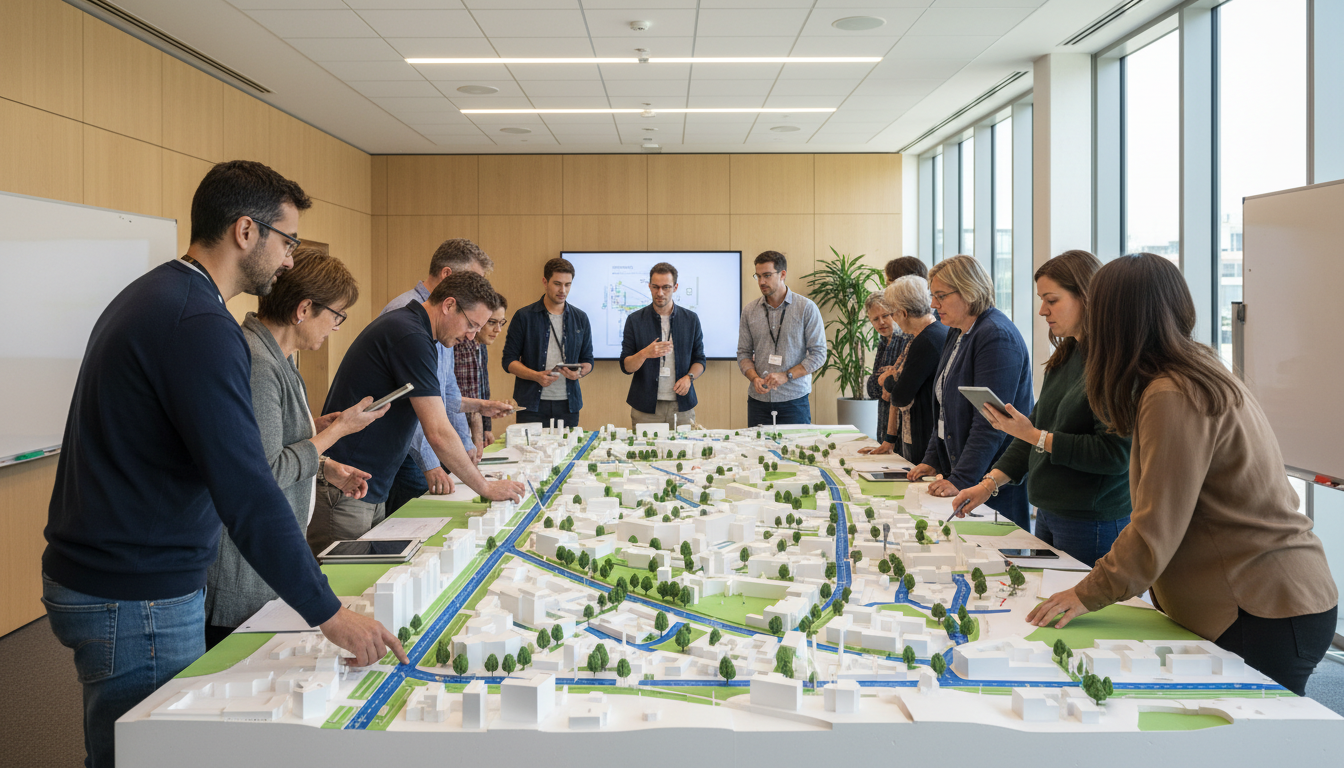
Public participation not only enhances the planning process but also helps to build community trust and ownership. By working collaboratively with residents, planners can create spaces that truly reflect the community's vision and identity.
Myth: Town Planning Is Only About Zoning
Many people equate town planning solely with zoning laws, which dictate how land can be used. While zoning is an important aspect, town planning encompasses much more. It involves strategic considerations such as transportation networks, public spaces, housing affordability, and environmental sustainability.
Planners also address larger issues like climate change adaptation and disaster resilience. By integrating these factors, town planning ensures that communities are not only functional but also resilient to future challenges.

Debunking the "One-Size-Fits-All" Approach
A common misunderstanding is that town planning follows a "one-size-fits-all" approach. In reality, town planning is highly contextual and tailored to the specific needs and characteristics of each locality. Queensland's diverse regions—from coastal areas to rural towns—require unique planning strategies to address their distinct challenges and opportunities.
Planners consider local demographics, geography, and cultural heritage to design solutions that are both effective and respectful of the area's identity. This tailored approach ensures that development is appropriate and beneficial for each community.
By dispelling these myths and understanding the true nature of town planning, we can appreciate its vital role in creating sustainable, prosperous, and inclusive communities in Queensland. Through informed discussions and active participation, we can support the ongoing evolution of our towns and cities.