Navigating Queensland's Town Planning Regulations: A Step-by-Step Guide


Understanding the Basics of Town Planning in Queensland
Queensland's town planning regulations can be complex, but understanding the basics is crucial for anyone looking to develop property in the region. The regulations are designed to ensure sustainable development and to balance the needs of communities with environmental considerations. Whether you're a developer, property owner, or simply interested in urban planning, this guide will help you navigate the essential steps.

Step 1: Identifying the Relevant Planning Scheme
Each local government in Queensland has its own planning scheme. These schemes outline the rules and regulations for land use and development in a specific area. To start, you need to identify which planning scheme applies to your project. This can typically be found on the local council's website. Understanding the specific requirements of your planning scheme is crucial for compliance.
Step 2: Assessing Zoning Regulations
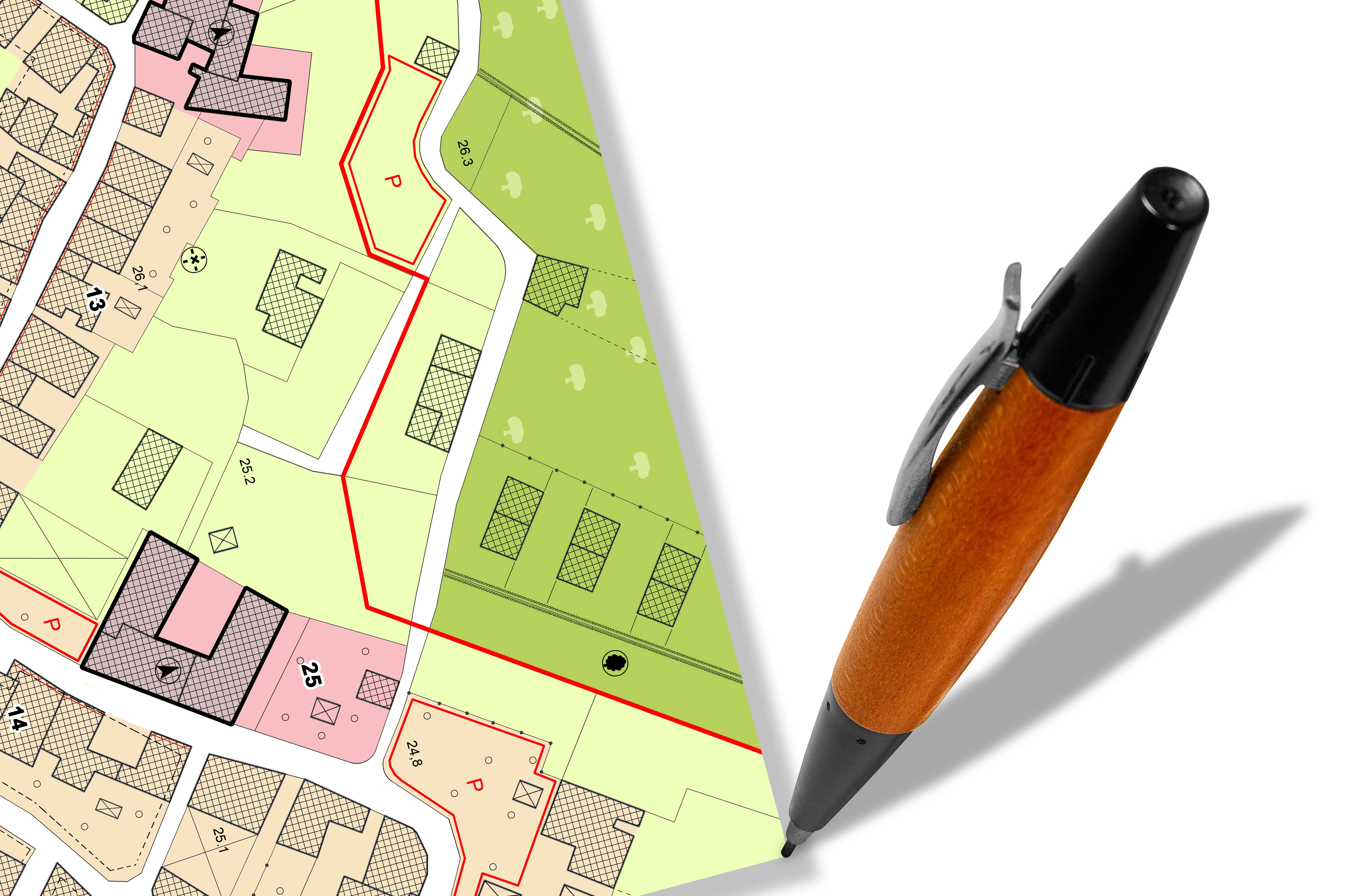
Zoning regulations specify what types of activities can occur on a piece of land. The zoning of your property will determine what you can build and how you can use the land. It's essential to review the zoning maps and understand the permitted uses, building heights, and density limits. Consulting with a town planner can provide further insights into these restrictions.
Submitting a Development Application
Once you've understood the planning scheme and zoning regulations, the next step is to prepare and submit a Development Application (DA). This application details your proposed development and how it complies with the planning rules. It's important to provide all necessary documentation, including site plans, environmental assessments, and traffic impact studies.
Step 3: Engaging with Stakeholders
Engaging with stakeholders, including neighbors and community groups, can be a critical part of the approval process. Early consultation can help identify potential issues and allow you to address them before submitting your DA. Transparency and communication can significantly ease the path to approval.

Step 4: Navigating the Approval Process
Once your DA is submitted, it will be assessed by the local council. This process can take several weeks to several months, depending on the complexity of your project. During this time, the council may request additional information or modifications to your proposal. Staying responsive and cooperative can expedite the process.
Final Steps and Compliance
After receiving approval, it's essential to comply with all conditions set out in the approval notice. This may include obtaining additional permits or adhering to specific construction guidelines. Regular updates and communication with the council can help ensure compliance and avoid potential fines or delays.
Step 5: Monitoring and Adapting
Post-approval, monitoring your development to ensure ongoing compliance with regulations is vital. Urban planning regulations can change, and staying informed about updates to legislation or local planning schemes is crucial for long-term success. Adapting to these changes promptly can safeguard your investment.

By following these steps and leveraging professional advice, navigating Queensland's town planning regulations can be a manageable process. Understanding the requirements and engaging with the community and authorities can lead to successful and sustainable development outcomes.