Preparing for Seasonal Changes in Brisbane's Urban Planning


Understanding Brisbane's Climate
Brisbane, the capital city of Queensland, experiences a subtropical climate. This means it sees hot, humid summers and mild, dry winters. Understanding these seasonal changes is crucial for urban planners looking to create sustainable and resilient cityscapes.
Urban planning must account for the environmental challenges posed by this climate. By doing so, Brisbane can ensure the safety and comfort of its residents throughout the year. The city's planners focus on weather patterns, rainfall, and temperature fluctuations to guide their decisions.
Strategies for Summer Preparedness
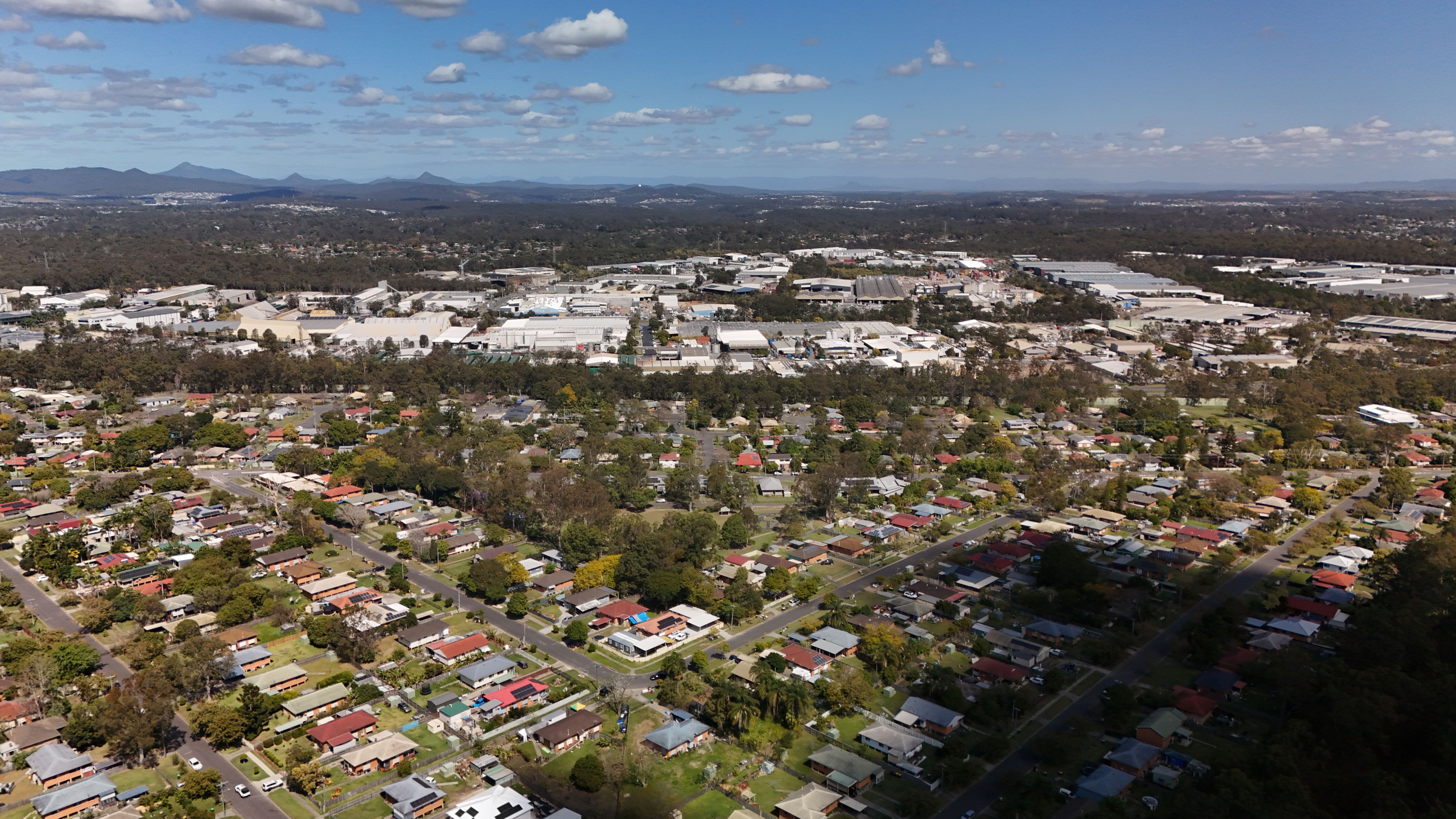
The intense heat and humidity of Brisbane's summers require specific strategies. Urban planners prioritize the creation of green spaces, which help mitigate the urban heat island effect. Parks, gardens, and tree-lined streets not only provide shade but also improve air quality.
Another crucial aspect is water management. Efficient drainage systems are essential to prevent flooding during the summer storm season. Planners incorporate permeable surfaces and rainwater harvesting systems to manage excess water effectively.
Designing for Comfort and Safety
Shade structures and cooling centers are integrated into urban designs to offer relief during heatwaves. These features ensure that residents have safe havens during extreme weather conditions. Additionally, public transportation systems are enhanced to reduce reliance on personal vehicles, thus minimizing heat emissions.
Adapting to Winter Changes
While winters in Brisbane are mild, urban planning still needs to account for cooler temperatures and shorter daylight hours. Planners focus on maximizing natural light in residential and commercial buildings, using strategic window placement and reflective surfaces.
Insulation is another key component. Well-insulated buildings reduce energy consumption and maintain comfortable indoor temperatures. This approach not only benefits residents but also supports Brisbane's sustainability goals.
Energy Efficiency and Sustainability
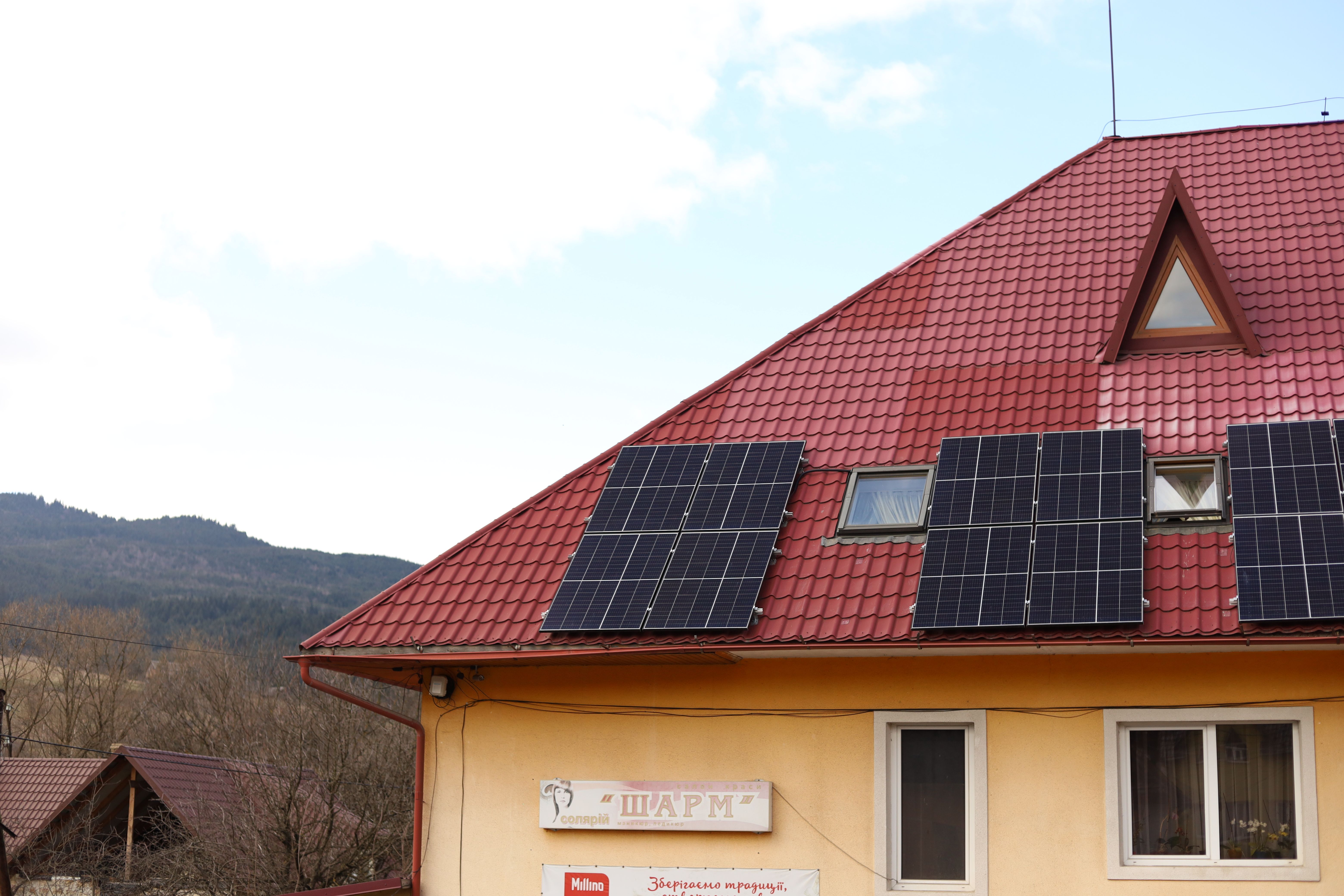
Implementing energy-efficient systems is a priority. Solar panels and energy-efficient lighting are integrated into urban plans to reduce the city's carbon footprint. These measures contribute to Brisbane's commitment to becoming a greener city.
Community Involvement and Education
Community involvement is crucial for effective urban planning. Planners engage with residents to understand their needs and incorporate feedback into development projects. Public workshops and surveys are common methods used to gather insights.
Education initiatives also play a role in preparing for seasonal changes. Programs that inform residents about sustainable practices and energy conservation help foster a community that actively participates in the city's sustainability efforts.
Future-Proofing Brisbane
As Brisbane continues to grow, future-proofing the city becomes increasingly important. Urban planners are looking at long-term strategies to ensure the city can withstand climate change impacts. This includes investing in resilient infrastructure and adopting innovative technologies.
By preparing for seasonal changes, Brisbane not only enhances the quality of life for its residents but also sets an example for other cities facing similar challenges. Through strategic urban planning, the city is paving the way for a sustainable future.