
Seasonal Considerations for Town Planning in Brisbane


Understanding Brisbane's Climate
Brisbane, known for its subtropical climate, experiences distinct seasonal changes that significantly impact town planning. The city has hot, humid summers and mild, dry winters, which must be considered when designing infrastructure and public spaces. Planners need to ensure that developments can withstand the local weather conditions while providing comfort and functionality for residents.

Summer Challenges
In Brisbane, summer temperatures often exceed 30°C, accompanied by high humidity. This can lead to increased energy consumption as residents and businesses rely on air conditioning. Town planners must consider sustainable energy solutions and incorporate green spaces to mitigate the urban heat island effect. Shade structures and water features can also enhance public areas, making them more inviting during the hotter months.
Additionally, summer brings the potential for severe thunderstorms and heavy rainfall. Proper drainage systems and flood management strategies are crucial to prevent waterlogging and damage to infrastructure. Planners should prioritize the use of permeable materials and rain gardens to manage stormwater effectively.
Winter Considerations
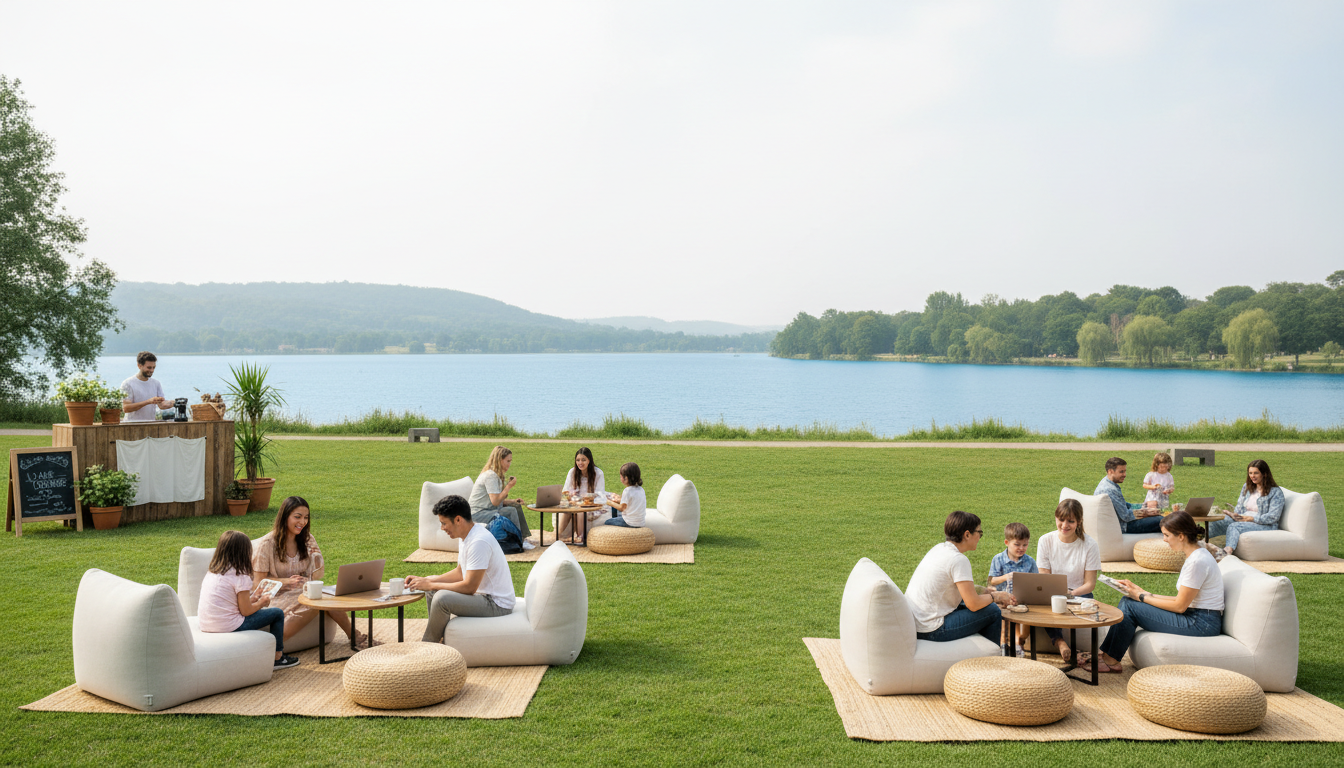
While Brisbane's winters are mild, with temperatures rarely dropping below 10°C, planning for cooler months is still essential. Designing buildings with adequate insulation and natural light can reduce heating needs, promoting energy efficiency. Public spaces should have areas that capture sunlight, encouraging outdoor activities even in cooler weather.
Moreover, the winter months are ideal for outdoor festivals and events, as the weather is generally dry and pleasant. Town planners should consider allocating spaces for community gatherings and cultural events, enhancing Brisbane's vibrant social landscape.

Environmental Sustainability
Integrating environmental sustainability into town planning is vital for Brisbane's growth. Planners should focus on creating walkable neighborhoods, promoting public transportation, and implementing bicycle-friendly infrastructure. These initiatives not only reduce carbon emissions but also improve the quality of life for residents.
- Encourage the use of renewable energy sources.
- Implement water conservation measures.
- Preserve natural habitats and biodiversity.
Community Involvement
Effective town planning in Brisbane also relies on community involvement. Engaging with local residents and stakeholders ensures that developments meet the needs and expectations of the community. Public consultations and workshops provide valuable insights and foster a sense of ownership and pride among residents.
The collaborative approach can lead to innovative solutions, such as community gardens and shared spaces, which enhance the city's livability and resilience.

Conclusion
Seasonal considerations play a pivotal role in the town planning of Brisbane. By addressing the challenges and opportunities presented by the city's climate, planners can create sustainable, vibrant, and resilient communities. Emphasizing environmental sustainability and community involvement ensures that Brisbane continues to thrive as a dynamic and livable city.