
Seasonal Tips for Town Planning in Brisbane: What to Consider


Understanding Brisbane's Unique Climate
Brisbane is known for its subtropical climate, characterized by hot, humid summers and mild, dry winters. When planning for the town's infrastructure, it's crucial to consider these seasonal variations. The city's weather patterns can significantly impact everything from road maintenance to public spaces.
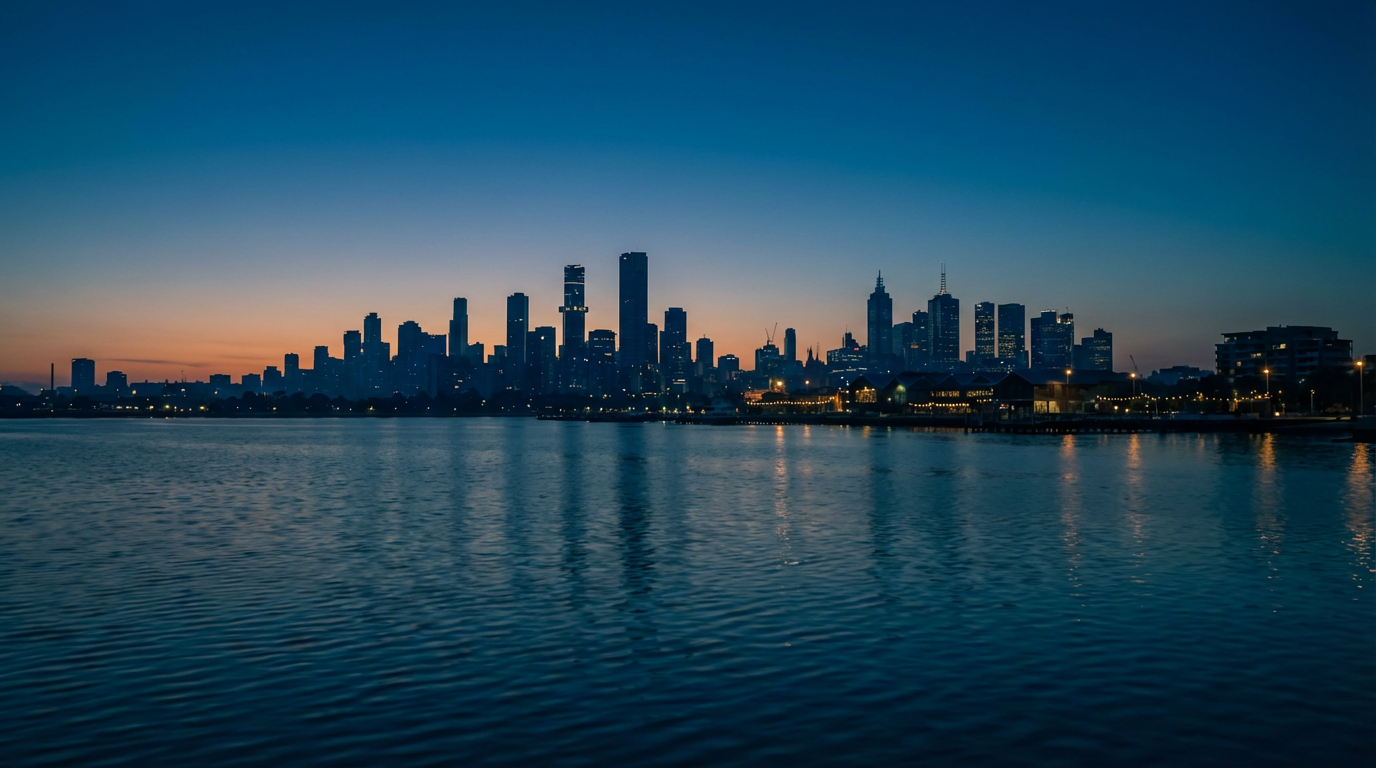
Developers and planners must account for the high rainfall during summer, which can lead to flooding in low-lying areas. Proper drainage systems and flood mitigation strategies should be prioritized to protect both residential and commercial properties.
Planning for Summer Heat
With temperatures often exceeding 30°C during summer, urban planners need to incorporate strategies to combat heat. Green spaces are vital, providing shade and reducing the urban heat island effect. Incorporating trees and parks not only helps cool the environment but also enhances the aesthetic appeal of the city.
Additionally, building designs should focus on energy efficiency and cooling solutions, such as using reflective materials and installing solar panels. These measures not only help in reducing energy consumption but also promote sustainability.
Winter Considerations
Although Brisbane's winters are mild, it's essential to ensure that public facilities and outdoor spaces remain accessible and comfortable. Designing outdoor areas with windbreaks and incorporating warm, inviting elements like fire pits can encourage year-round usage.
Moreover, winter is an ideal time for construction and road maintenance projects due to the dry conditions. Planning and scheduling these activities effectively can minimize disruptions and optimize resource utilization.
Addressing Rainy Seasons
The rainy season can pose significant challenges, particularly in relation to transport and infrastructure. It's crucial to ensure that public transport systems are robust and can operate efficiently during heavy downpours. Regular maintenance of roads and bridges also helps prevent damage caused by prolonged exposure to water.

Water-sensitive urban design (WSUD) principles can be integrated into town planning to manage stormwater effectively. This approach not only reduces the risk of flooding but also promotes water conservation and improves urban biodiversity.
Community Involvement
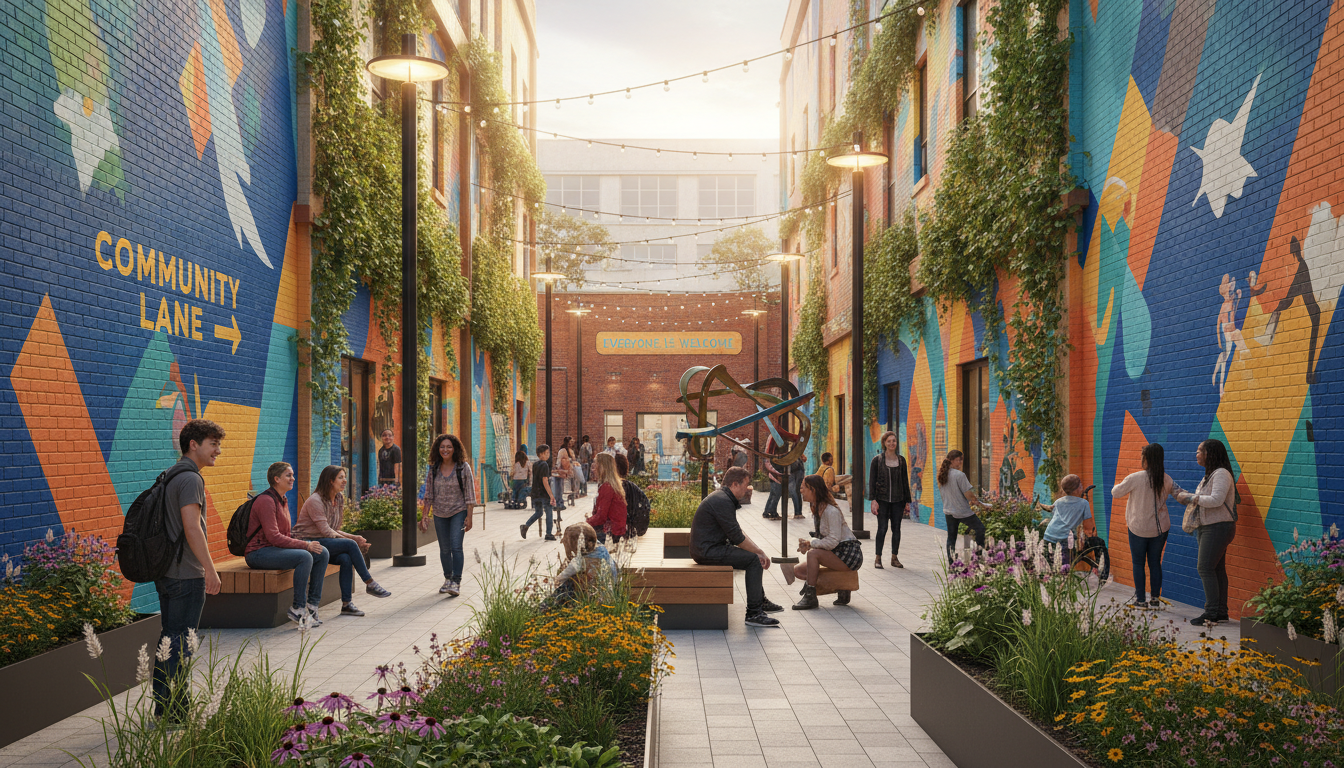
Engaging the community in town planning initiatives can lead to more successful outcomes. Residents can provide valuable insights into local issues and preferences, which can be instrumental in shaping development projects. Public consultations and workshops are effective ways to involve the community in the decision-making process.
Furthermore, educational programs can raise awareness about the importance of sustainable practices and encourage residents to adopt environmentally friendly habits.
Conclusion
Seasonal planning in Brisbane requires a strategic approach that considers the city's unique climate and environmental challenges. By incorporating sustainable practices and involving the community, town planners can create a resilient, vibrant, and livable city for all its residents.