
Seasonal Town Planning Considerations in Brisbane: What You Need to Know


Brisbane, known for its subtropical climate, requires unique considerations when it comes to town planning. The city's distinctive weather patterns influence everything from infrastructure development to landscape design. Understanding these seasonal factors can help ensure that urban planning meets both current and future needs.
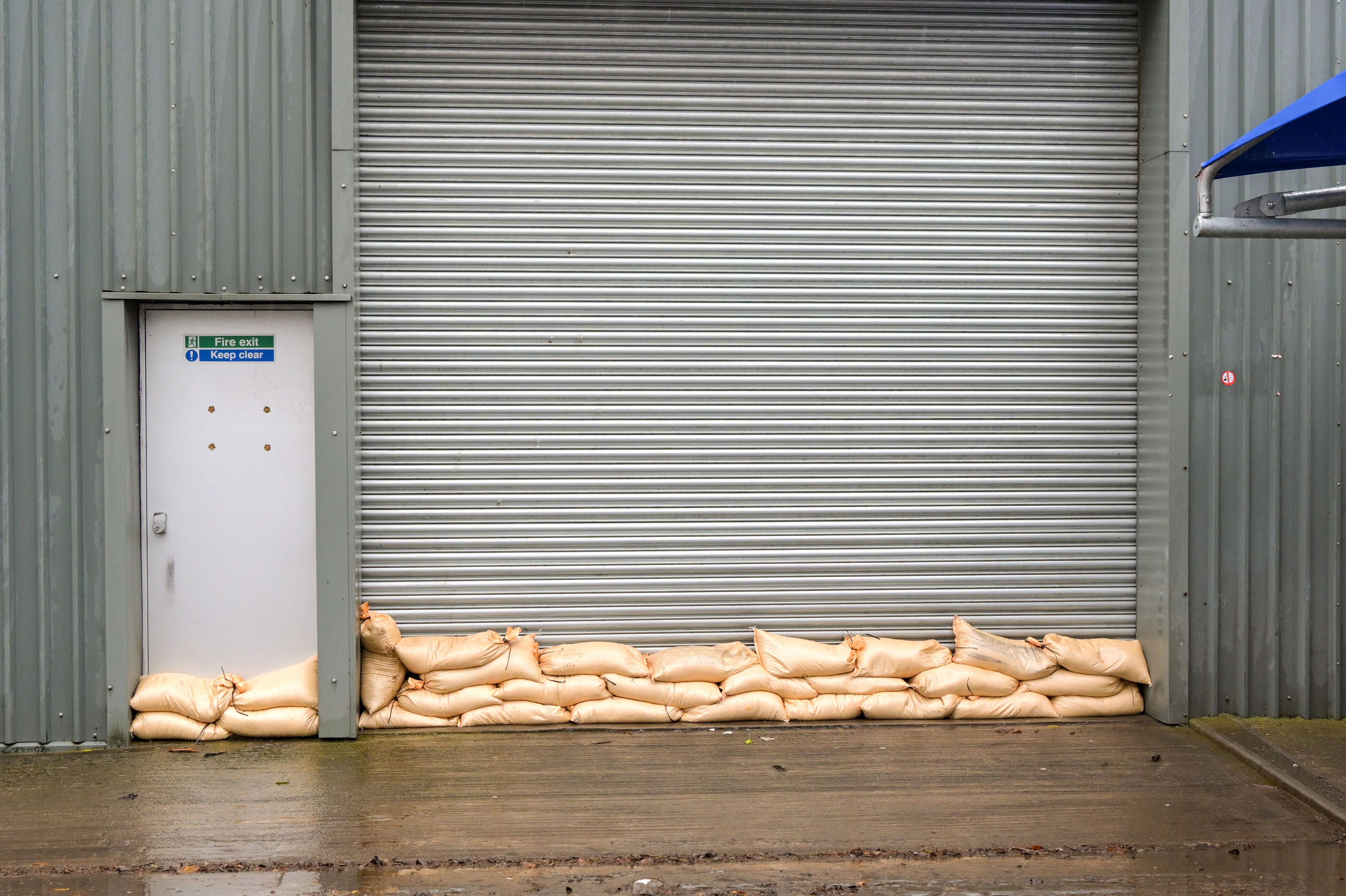
One of the primary concerns in Brisbane is managing the wet season, which runs from November to March. During this period, heavy rainfall can lead to flooding, impacting both residential and commercial areas. Effective drainage systems and flood mitigation strategies are essential to minimize damage and ensure community safety.
Infrastructure Design
The wet season's challenges necessitate a robust approach to infrastructure design. Roads, bridges, and public transport systems must be built to withstand heavy rains and potential flooding. This includes using materials that can endure prolonged exposure to water and implementing designs that facilitate quick drainage.
Moreover, utility services such as electricity and telecommunications must be resilient against storm conditions. This might involve placing power lines underground and ensuring that communication networks remain operational during adverse weather conditions.
Green Spaces and Sustainability
Brisbane's urban planners also focus on incorporating green spaces to promote sustainability and enhance the quality of life. These areas not only provide recreational opportunities but also play a crucial role in managing stormwater runoff. Native plants and trees are preferred as they are well-adapted to the local climate and require less maintenance.
Heat Management
Beyond the wet season, Brisbane experiences hot and humid conditions, especially during summer. Urban planners must consider strategies to mitigate the urban heat island effect, which causes cities to be warmer than their rural surroundings. This can be addressed by increasing vegetation, using reflective materials in construction, and developing shaded areas.
Additionally, water features such as fountains and ponds can help cool the environment, making public spaces more comfortable for residents and visitors alike.
Community Engagement
Community involvement is vital in successful town planning. Engaging residents in the planning process ensures that the developments meet the needs of those who live and work in Brisbane. Public consultations and feedback sessions are effective ways to gather input and foster a sense of ownership among the community.
Technological Integration
Integrating technology into urban planning can offer innovative solutions to seasonal challenges. Smart city initiatives, such as real-time weather monitoring systems and adaptive traffic management, can enhance Brisbane's resilience to seasonal variations.
These technologies can help optimize resource allocation and provide timely information to residents, ensuring that the city remains functional and safe during extreme weather events.
Conclusion
Seasonal town planning in Brisbane requires a comprehensive approach that considers the city's unique climatic conditions. By focusing on infrastructure, sustainability, community engagement, and technology, urban planners can create a resilient and vibrant city that thrives year-round. Embracing these strategies is essential for accommodating growth while preserving the environment and enhancing the quality of life for all residents.