
Smart City Planning Innovations: How Brisbane is Leading the Future


Introduction to Smart City Planning
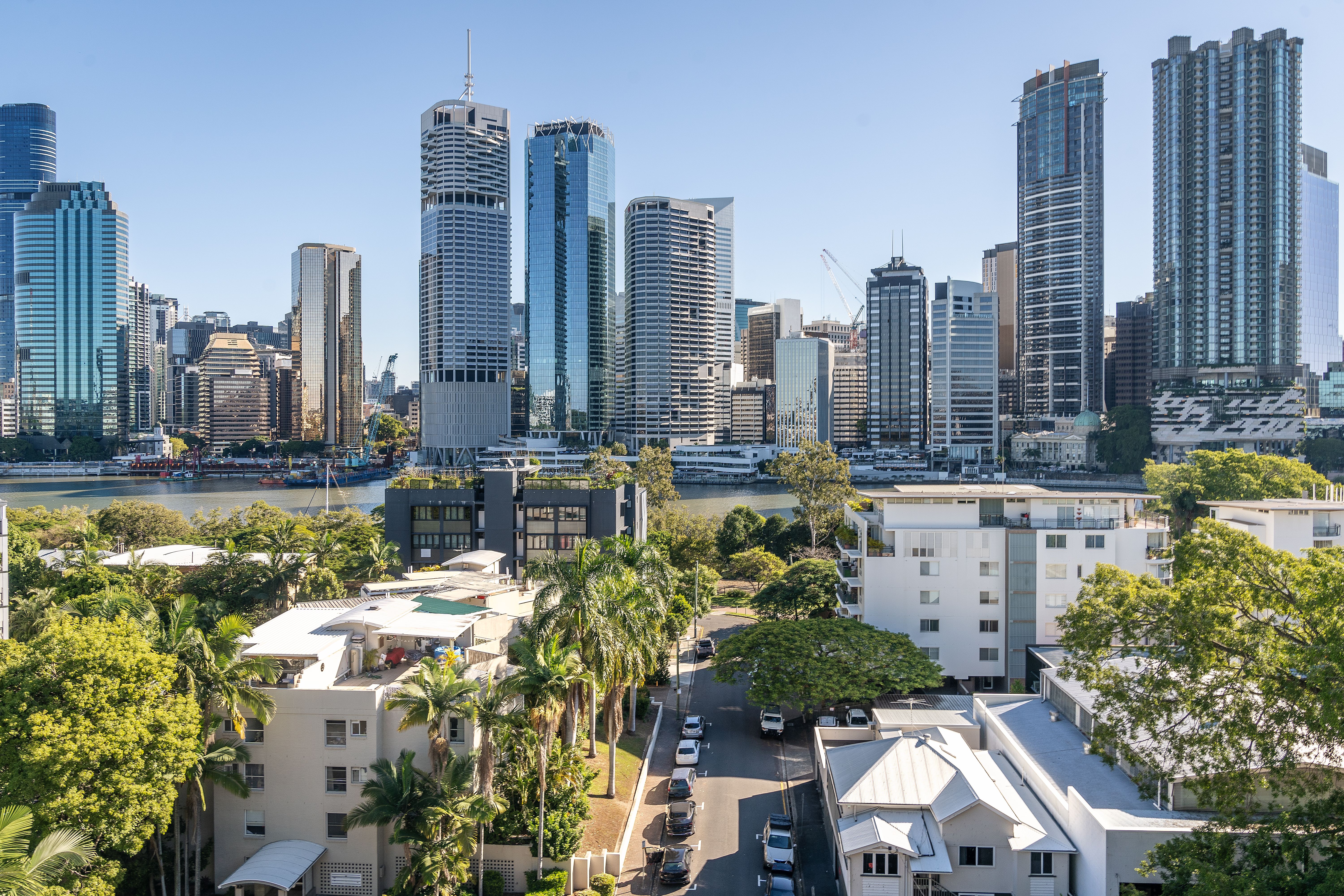
As urban populations grow, cities worldwide are under pressure to develop infrastructures that can sustain the demands of modern living. Brisbane, a bustling metropolis in Australia, is at the forefront of this transformation. With a proactive approach to smart city planning, Brisbane is setting a benchmark for cities globally.
Smart city planning involves integrating digital technology with urban management to improve the quality of life for residents, enhance sustainability, and optimize resource use. Brisbane’s innovative strategies are a testament to its commitment to a smarter, more efficient future.

Brisbane’s Commitment to Sustainability
One of the key pillars of Brisbane’s smart city initiative is sustainability. The city has implemented various measures to reduce its carbon footprint and promote eco-friendly practices. From solar-powered public transport to energy-efficient buildings, Brisbane is striving for a greener future.
The city has also invested in extensive green spaces, ensuring that even as urban areas expand, natural environments are preserved. This not only enhances the aesthetic appeal of the city but also improves air quality and provides residents with recreational spaces.
Innovative Transportation Solutions
Transportation is a critical component of any smart city plan. Brisbane has introduced a range of innovative solutions to address traffic congestion and improve mobility. The city's public transport system integrates real-time data and mobile apps to provide residents with up-to-date information on bus and train schedules.
In addition, Brisbane is embracing electric and autonomous vehicles as part of its commitment to reducing emissions. By investing in infrastructure that supports these technologies, the city is paving the way for a cleaner, more connected transportation network.

Smart Infrastructure and Technology
Brisbane's smart infrastructure extends beyond transportation. The city has implemented advanced technologies in various sectors, including healthcare, education, and public safety. For instance, smart sensors and IoT devices are used to monitor environmental conditions, manage waste efficiently, and enhance public safety through smart lighting systems.
Moreover, the city encourages the use of big data analytics to improve decision-making processes. By analyzing data from various sources, Brisbane can anticipate challenges and implement solutions proactively.

Community Engagement and Collaboration
An essential aspect of Brisbane’s smart city planning is community engagement. The city actively involves residents in the planning process through workshops, surveys, and public forums. This collaborative approach ensures that the needs and preferences of the community are considered in decision-making.
Furthermore, partnerships with local businesses, universities, and tech companies foster innovation and drive the development of new technologies that benefit the city. These collaborations are crucial for sustaining long-term growth and development.

Conclusion: A Model for Future Cities
Brisbane's approach to smart city planning is a model for cities worldwide. By prioritizing sustainability, embracing technology, and fostering community collaboration, Brisbane is not only enhancing the quality of life for its residents but also setting an example for urban development.
As other cities look to adapt to the challenges of the 21st century, they can draw inspiration from Brisbane’s innovative strategies. With continued investment and commitment to smart planning, the future of urban living looks promising.