
Smart City Planning Innovations: Transforming Brisbane's Urban Landscape


Introduction to Smart Cities
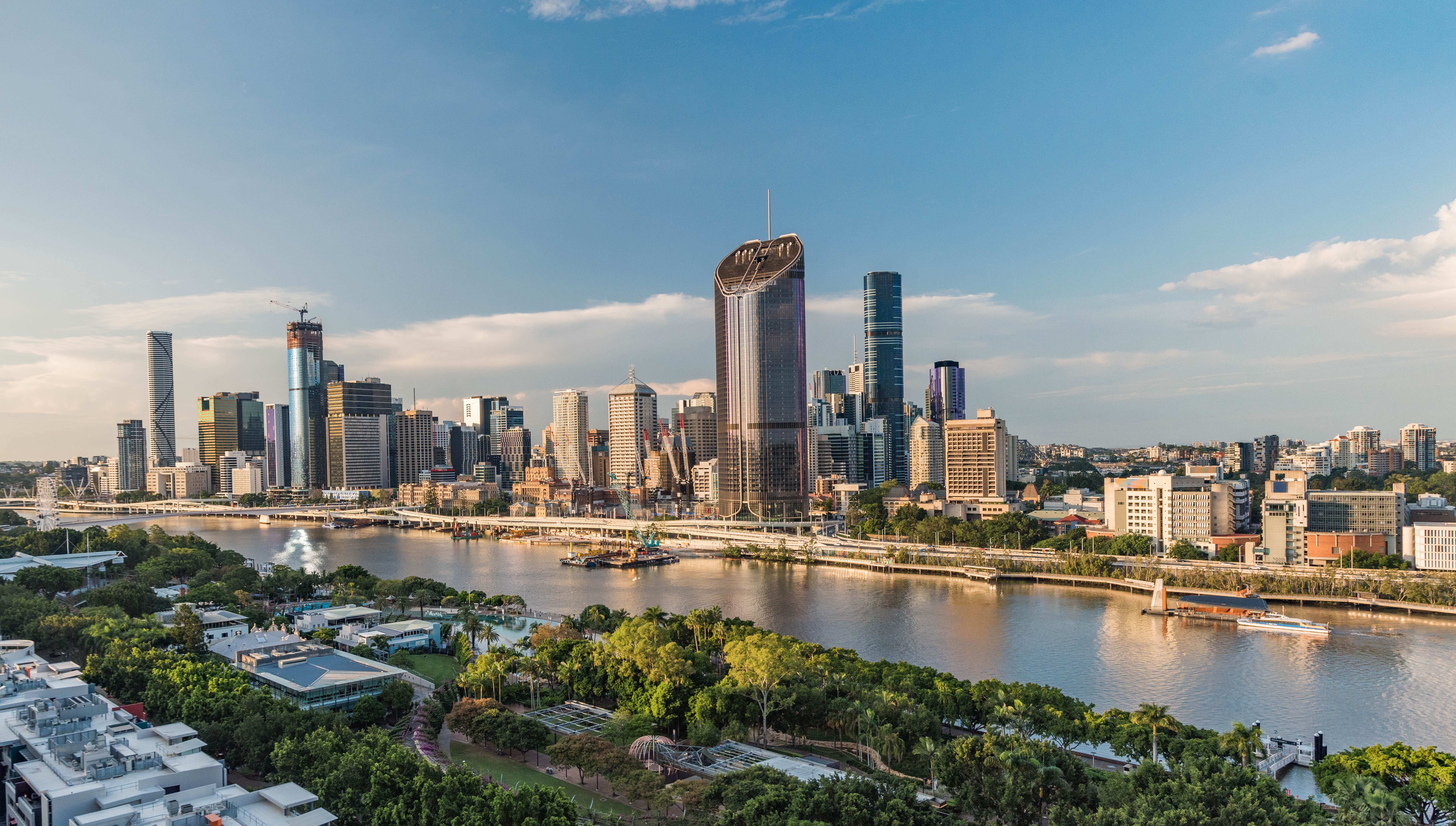
As urban populations continue to grow, cities around the world are turning to smart city planning innovations to create more sustainable, efficient, and livable urban environments. Brisbane, a vibrant city in Australia, is at the forefront of this transformation. By integrating technology and data-driven solutions, Brisbane is setting an example for urban development in the 21st century.
Embracing Technology for Urban Mobility
One of the key areas where Brisbane is innovating is urban mobility. The city has implemented a range of smart transportation solutions aimed at reducing congestion and improving the commute experience. With real-time traffic management systems and intelligent public transport services, Brisbane is making daily travel more efficient and less stressful for its residents.
Additionally, Brisbane has embraced the concept of shared mobility. The integration of bike-sharing and car-sharing services, supported by digital platforms, encourages residents to opt for more sustainable modes of transport. This not only reduces traffic congestion but also lowers carbon emissions, contributing to a cleaner urban environment.

Green Spaces and Sustainable Living
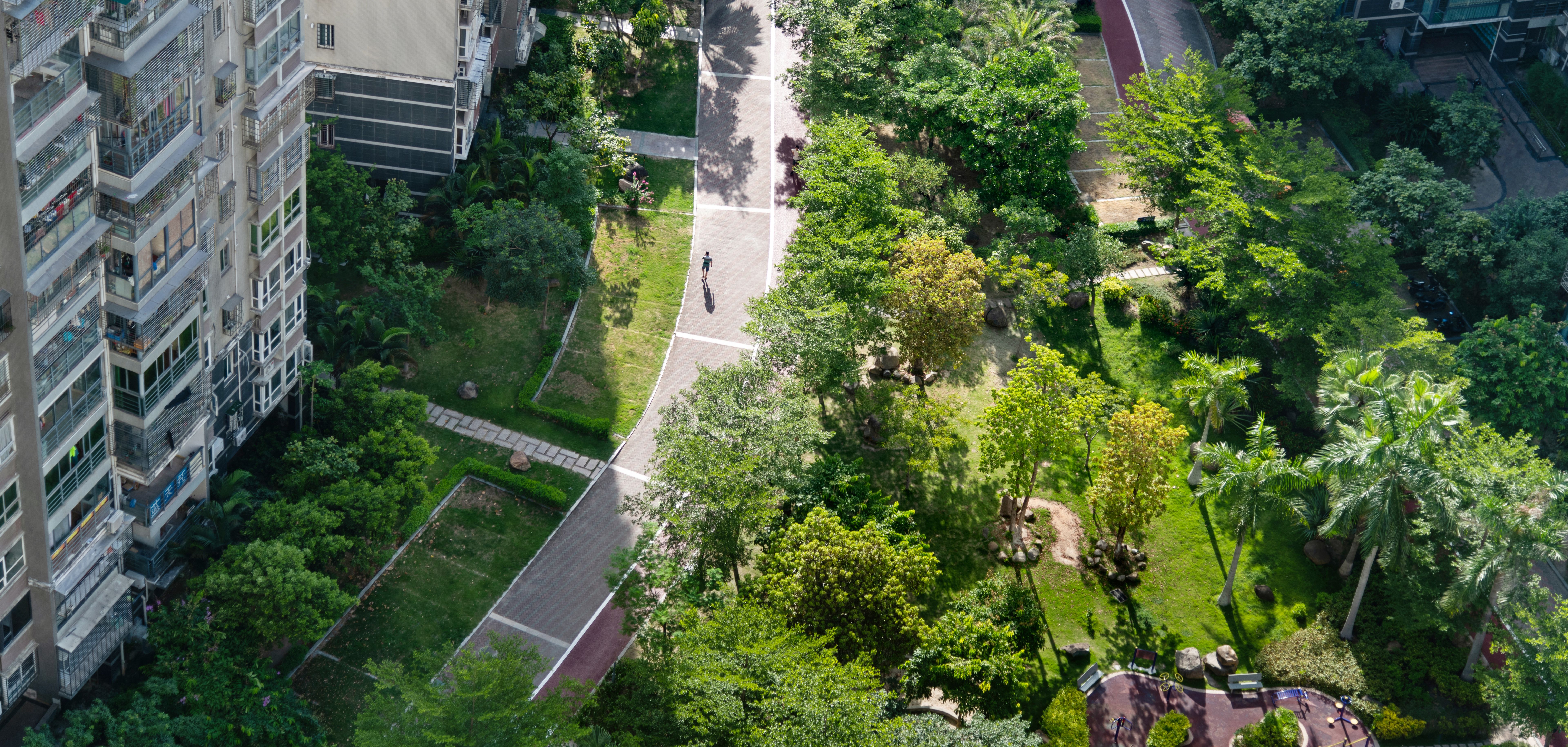
Brisbane's commitment to sustainability is evident in its urban planning strategies. The city is prioritizing the development of green spaces, aiming to create urban oases that enhance the quality of life for its residents. These green spaces serve as crucial components of the urban ecosystem, promoting biodiversity and providing areas for recreation and relaxation.
Furthermore, sustainable living initiatives are being integrated into new residential developments. From energy-efficient buildings to rainwater harvesting systems, Brisbane is ensuring that sustainability is at the core of its urban growth strategy. These practices not only benefit the environment but also reduce utility costs for residents, making sustainable living more accessible.
Smart Infrastructure and Connectivity
The backbone of any smart city is its infrastructure, and Brisbane is investing heavily in building a robust digital infrastructure. The deployment of high-speed internet and IoT devices across the city facilitates real-time data collection and communication. This connectivity enables city planners to monitor and optimize municipal services, from waste management to street lighting, ensuring efficient resource use.
Smart infrastructure also plays a crucial role in enhancing public safety. By leveraging technologies like surveillance cameras and emergency response systems, Brisbane is creating a safer urban environment for its residents. These innovations not only improve safety but also foster a sense of community well-being.
Community Engagement and Participation
A smart city is not just about technology; it's also about people. Brisbane has recognized this by actively engaging its community in urban planning processes. Through digital platforms and public forums, residents can provide feedback on city projects and contribute ideas for future developments. This participatory approach ensures that urban planning aligns with the needs and aspirations of the community.
Moreover, educational programs and workshops are being organized to raise awareness about smart city initiatives. By empowering citizens with knowledge about sustainable practices and technological innovations, Brisbane is fostering a culture of innovation and collaboration.

The Future of Smart City Planning in Brisbane
As Brisbane continues to evolve as a smart city, its focus remains on creating a resilient and inclusive urban environment. The city's dedication to integrating advanced technologies with human-centric design principles sets it apart as a leader in smart city planning.
Looking ahead, Brisbane aims to further enhance its data analytics capabilities to predict trends and make informed decisions. By harnessing the power of big data and artificial intelligence, the city can anticipate challenges and address them proactively, ensuring sustainable growth and improved quality of life for its residents.
In conclusion, Brisbane's smart city planning innovations are transforming its urban landscape into a model for other cities worldwide. As it embraces technology and sustainability, Brisbane is paving the way for a future where cities are not just places to live but thriving ecosystems that support the well-being of their inhabitants.