Sustainable Urban Development Trends in Australia: A Guide for Brisbane


Introduction to Sustainable Urban Development
Sustainable urban development is becoming a central focus for cities worldwide, and Brisbane is no exception. As one of Australia's fastest-growing cities, Brisbane is embracing sustainability to ensure a high quality of life for its residents while preserving the environment. This guide explores the latest trends in sustainable urban development that are shaping the future of Brisbane.
Green Building Innovations
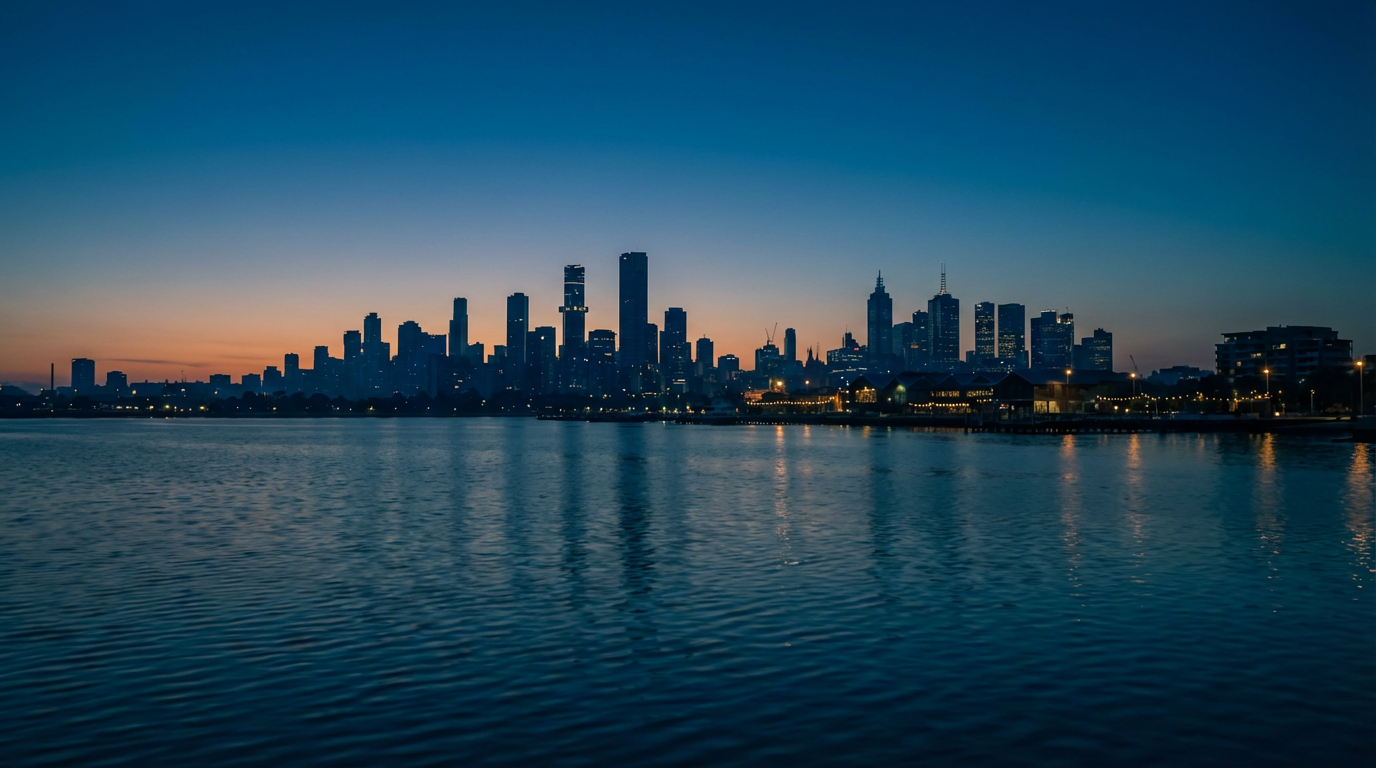
Green building innovations are at the forefront of sustainable development in Brisbane. These structures are designed to minimize environmental impact through energy efficiency, sustainable materials, and reduced waste. Brisbane's City Hall and the Queensland Government's 1 William Street are great examples of how green building practices are being implemented.
Key features of these green buildings include:
- Solar panels and renewable energy integration
- Water recycling systems
- Natural ventilation and lighting
Public Transportation Enhancements
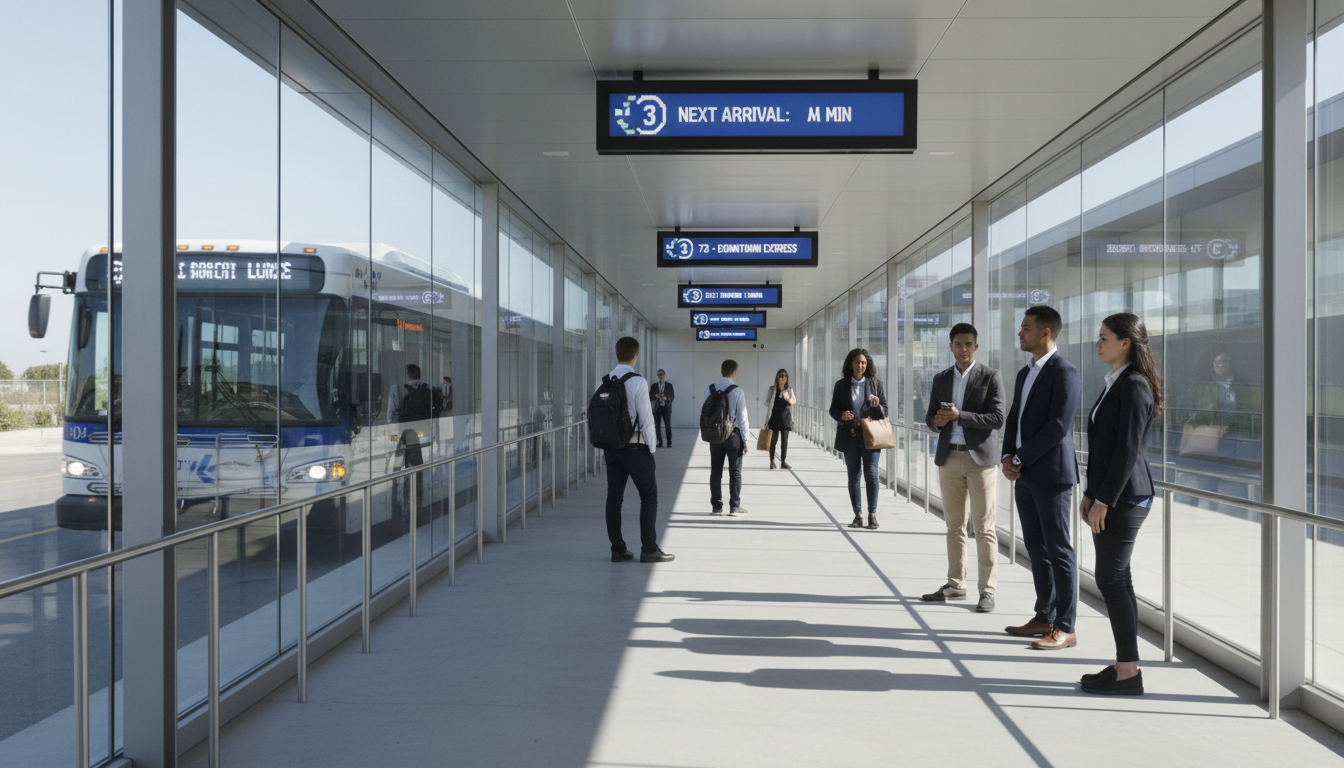
Enhancing public transportation is crucial for sustainable urban development. Brisbane is investing in expanding its public transit options, including bus rapid transit systems, improved rail networks, and increased cycling infrastructure. These efforts aim to reduce traffic congestion and lower carbon emissions.
Smart City Technologies
Smart city technologies are transforming Brisbane into a more efficient and connected urban space. By utilizing the Internet of Things (IoT), data analytics, and smart sensors, the city is improving services such as waste management, energy usage, and public safety.
Some smart city initiatives include:
- Intelligent traffic management systems
- Smart lighting solutions
- Real-time air quality monitoring
Community Engagement and Planning
Community engagement is vital in the planning and implementation of sustainable urban projects. Brisbane's local government is actively involving residents in decision-making processes to ensure developments meet the community's needs and aspirations.
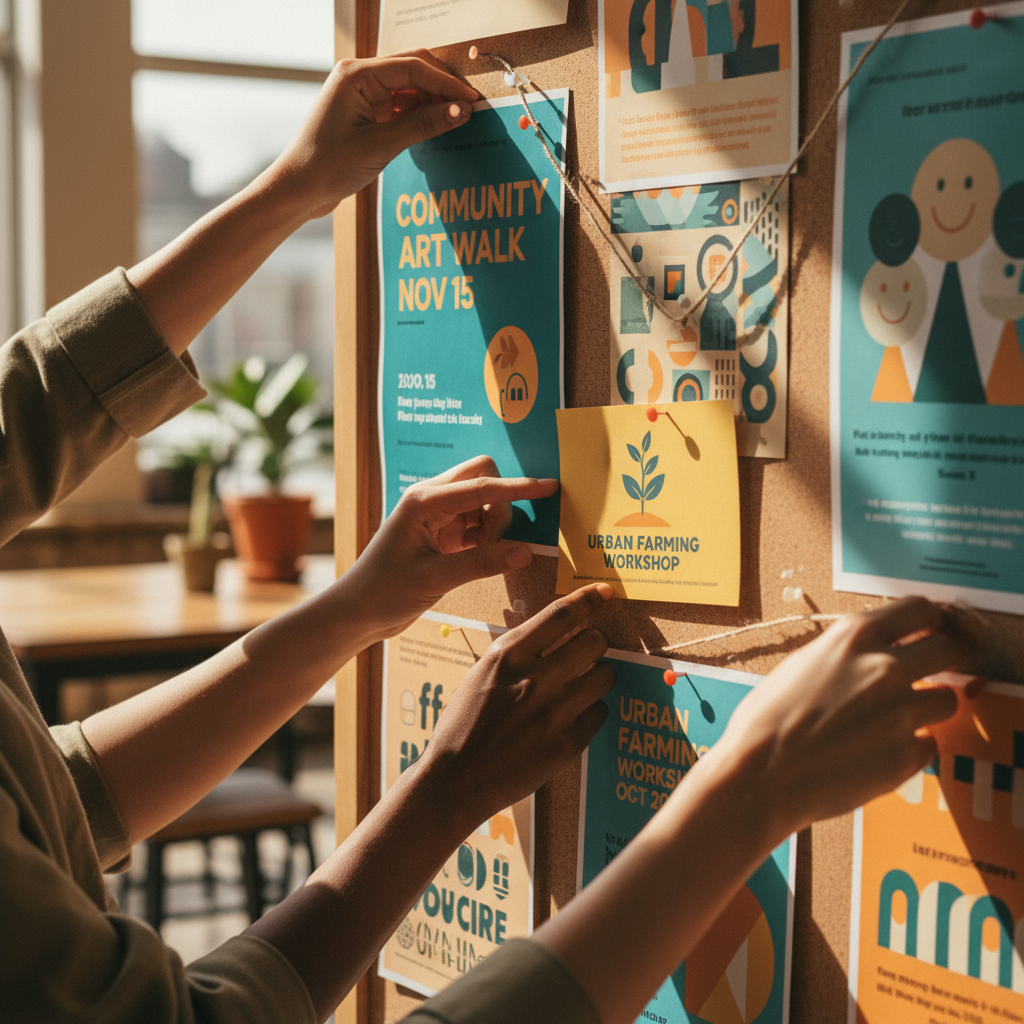
By fostering strong partnerships with local stakeholders, Brisbane is building a collaborative environment that supports sustainable growth and innovation.
Green Spaces and Urban Biodiversity
The integration of green spaces and the promotion of urban biodiversity are essential components of Brisbane's sustainable urban development strategy. Parks, gardens, and urban forests not only enhance the city's aesthetic appeal but also provide habitats for local wildlife and improve air quality.
Brisbane's focus on creating more green spaces ensures that residents have access to recreational areas that promote health and well-being.
Conclusion
Sustainable urban development in Brisbane is a multifaceted approach that includes green building, efficient public transport, smart technologies, community involvement, and the preservation of natural spaces. As the city continues to grow, these trends will play a critical role in ensuring Brisbane remains a vibrant, livable, and eco-friendly city.