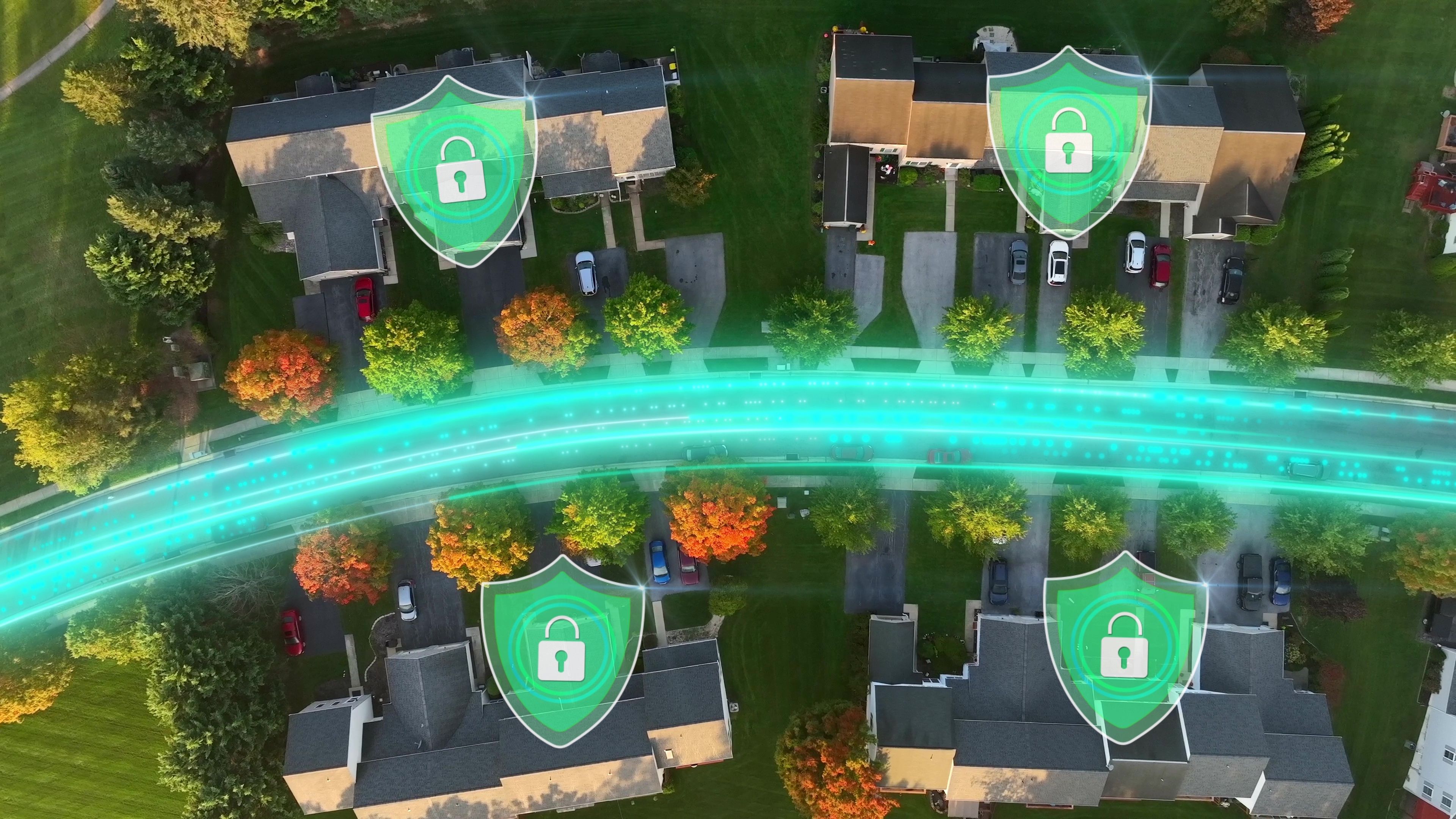
The Future of Urban Development: Trends in Smart City Planning


Introduction to Smart Cities
The concept of smart cities is revolutionizing how we think about urban development. As technology becomes increasingly integrated into our daily lives, cities are evolving to become more connected, efficient, and sustainable. The future of urban development is set to be shaped by these smart city trends.

Embracing Technology for Efficiency
One of the key trends in smart city planning is the use of technology to improve efficiency. This includes the implementation of IoT devices, sensors, and data analytics to monitor and manage city resources. These technologies enable cities to optimize energy use, reduce waste, and improve public services.
IoT and Connectivity
The Internet of Things (IoT) plays a crucial role in smart cities. By connecting devices and infrastructure, cities can collect and analyze data in real time. This connectivity allows for better traffic management, energy distribution, and emergency response.
Sustainability and Environmental Impact
Smart cities prioritize sustainability and aim to minimize their environmental impact. This involves the integration of green technologies and sustainable practices into urban planning. Renewable energy sources, such as solar and wind power, are increasingly being adopted to reduce dependency on fossil fuels.
Green Infrastructure
Incorporating green spaces and infrastructure is vital for creating livable urban environments. Smart cities are designing parks, green roofs, and urban forests to improve air quality, reduce heat, and promote biodiversity.

Enhancing Quality of Life
Another important aspect of smart city planning is enhancing the quality of life for residents. By leveraging technology, cities can offer improved healthcare, education, and public safety services. This focus on wellbeing ensures that urban areas are not only functional but also enjoyable places to live.
Smart Healthcare Solutions
Healthcare is being transformed by smart technologies, with telemedicine, wearable health devices, and AI-driven diagnostics becoming more prevalent. These innovations make healthcare more accessible and efficient, particularly in urban settings.
The Role of Data and Privacy
Data is at the heart of smart city technologies, providing insights that drive decision-making. However, the use of data raises concerns about privacy and security. Cities must balance the benefits of data-driven solutions with the need to protect citizens' personal information.
Ensuring Privacy
Implementing robust data protection measures is essential. Smart cities must adopt transparent policies and use encryption and anonymization techniques to safeguard data privacy.