Understanding Queensland Urban Growth Trends: What It Means for Your Property


Understanding the Dynamics of Urban Growth in Queensland
Queensland has been experiencing significant urban growth, driven by a combination of population increase, economic development, and infrastructure expansion. This growth presents both opportunities and challenges for property owners and investors. Understanding these dynamics is crucial for making informed decisions regarding real estate investments in the region.
Population Growth: A Key Driver
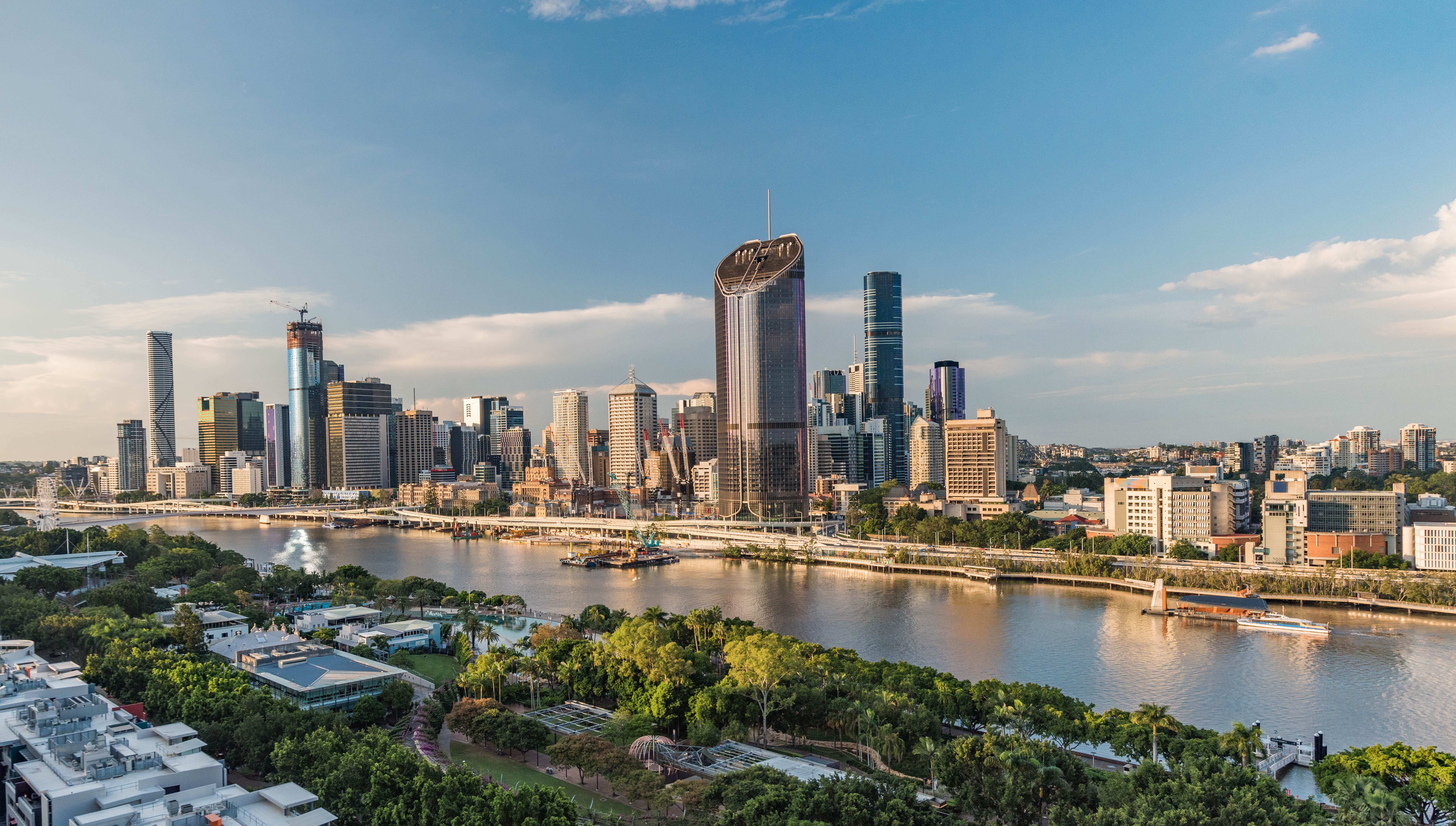
One of the primary factors contributing to urban growth in Queensland is its rapidly increasing population. The state has been a popular destination for interstate migration, attracting individuals and families seeking a better quality of life. As more people move to Queensland, the demand for housing and commercial spaces rises, consequently impacting property values.
For property owners, this means potential appreciation in property value, especially in high-demand areas. However, it also calls for strategic planning to ensure that investments align with demographic trends and preferences.
Infrastructure Development
Infrastructure development plays a pivotal role in shaping urban growth patterns. In Queensland, significant investments are being made in transportation, healthcare, and educational facilities. These developments not only enhance the quality of life but also make certain locations more attractive for investment.
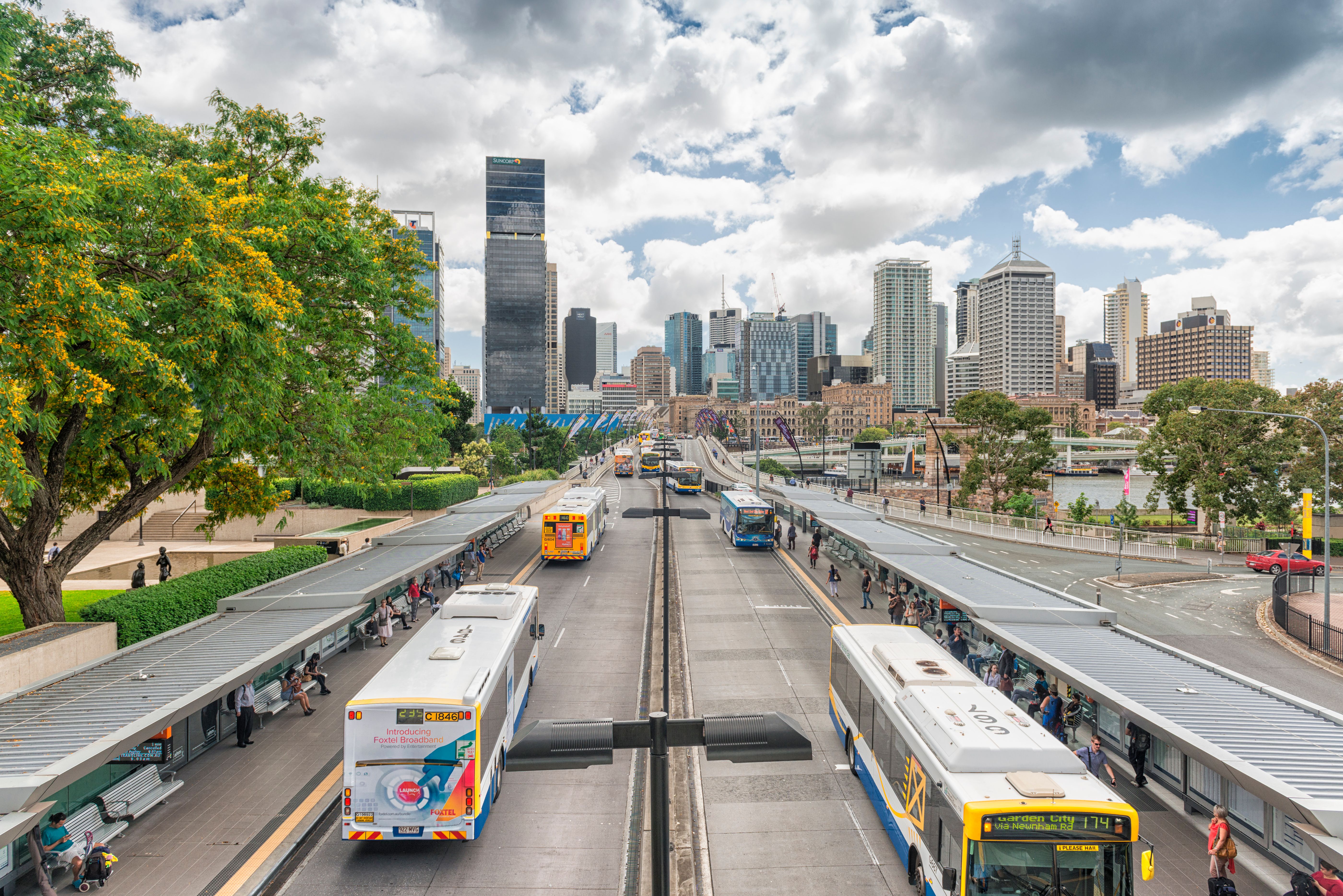
For example, new transport links can increase accessibility, boosting property prices in previously undervalued areas. Property investors should keep an eye on upcoming infrastructure projects to capitalize on potential growth opportunities.
Economic Opportunities and Challenges
Queensland's economy is diverse, with strong sectors in tourism, agriculture, and mining. The economic health of these sectors influences urban growth and property markets. While economic expansion can lead to increased demand for housing and commercial properties, potential downturns could pose risks.
Investors should stay informed about economic forecasts and sector-specific trends to navigate these challenges effectively. Diversifying property portfolios across different regions and sectors can also mitigate risks associated with economic fluctuations.
Sustainability and Urban Planning
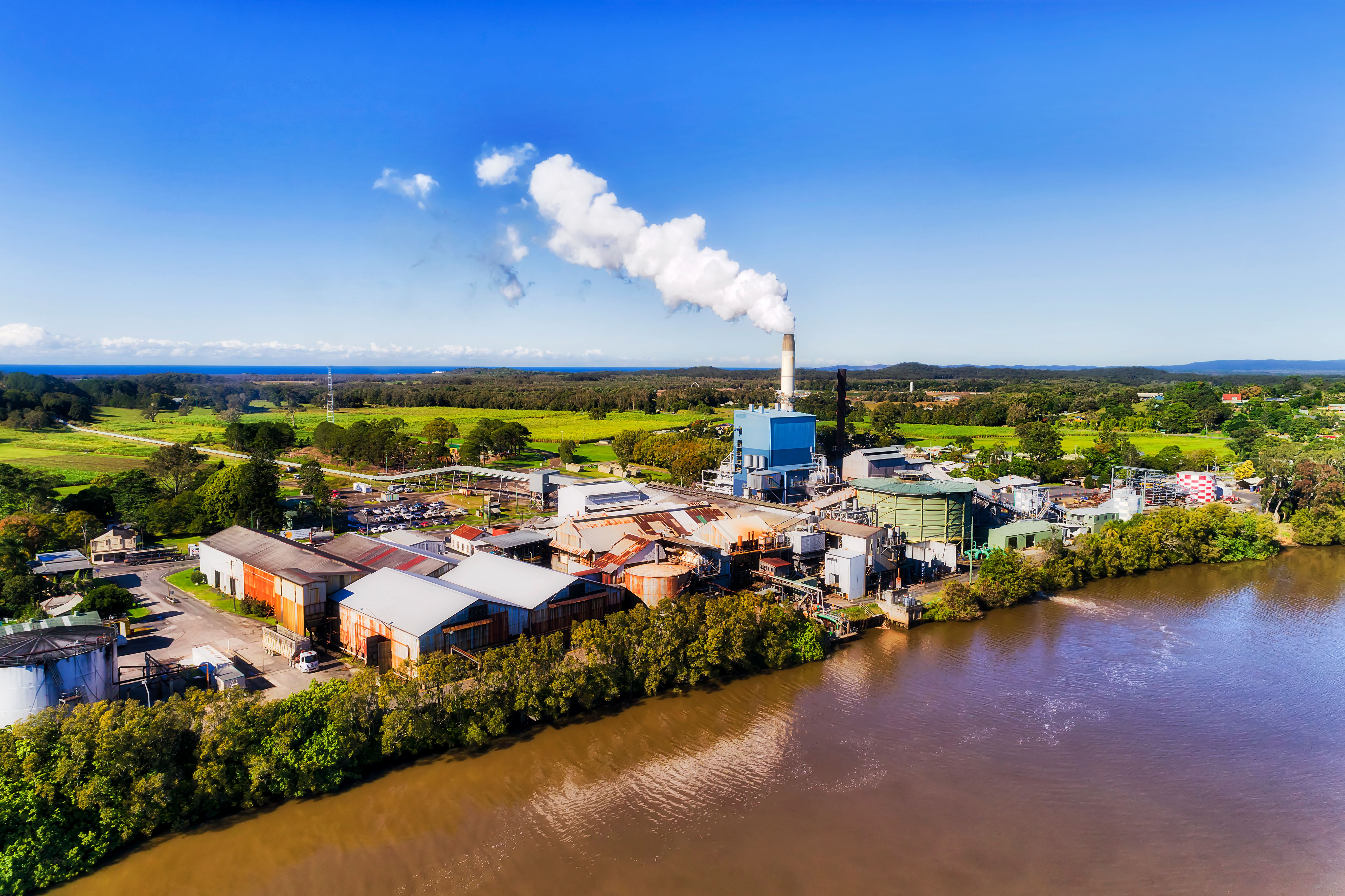
Sustainability is becoming an integral part of urban planning in Queensland. As cities grow, there is a greater focus on creating sustainable communities that balance environmental, social, and economic needs. This shift towards sustainability can impact property development regulations and influence buyer preferences.
Property developers and investors should consider sustainability trends when planning new projects or purchasing properties. Features such as energy-efficient designs, green spaces, and proximity to public transport can enhance property appeal and value.
Conclusion: Navigating the Future of Queensland's Property Market
Understanding urban growth trends in Queensland is essential for property owners and investors looking to maximize their returns. By keeping abreast of population dynamics, infrastructure developments, economic opportunities, and sustainability trends, stakeholders can make informed decisions that align with market realities.
As Queensland continues to evolve, the key to success lies in adaptability and strategic foresight. By leveraging these insights, property investors can position themselves advantageously in this dynamic market landscape.