Understanding Town Planning Services in Queensland: A Comprehensive Guide


Understanding town planning services in Queensland is essential for anyone looking to develop land, build, or modify existing structures in the region. This comprehensive guide aims to clarify the processes and regulations involved, ensuring that your projects meet local standards and contribute positively to community development.

What Are Town Planning Services?
Town planning services encompass the strategic management of land use and development within a specified area. These services are crucial for creating sustainable, functional, and aesthetically pleasing communities. In Queensland, town planning is governed by the Planning Act 2016, which sets out the rules and guidelines for development throughout the state.
Planners work with developers, government bodies, and the community to balance various interests and ensure that all projects align with broader urban planning goals. This involves assessing proposals, conducting environmental impact studies, and ensuring compliance with zoning laws.
The Role of Town Planners
Town planners in Queensland play a vital role in shaping the future of communities. They are responsible for evaluating development applications, advising on land use, and ensuring that projects adhere to local planning schemes. Planners also engage with stakeholders to address concerns and facilitate public participation in the planning process.

Planners must consider a range of factors, including infrastructure needs, environmental sustainability, and cultural heritage. Their expertise ensures that developments contribute positively to the community and environment.
Key Processes in Town Planning
The town planning process in Queensland typically involves several steps:
- Pre-lodgement meetings: Initial consultations to discuss potential projects and identify any issues or requirements.
- Development application: Submission of detailed plans and documents outlining the proposed development.
- Assessment: Evaluation of the application against relevant planning schemes and regulations.
- Decision: Approval, approval with conditions, or refusal based on the assessment.
- Appeals: Opportunity to contest decisions through appropriate legal channels.
Each step requires careful attention and adherence to regulatory requirements to ensure a smooth process.
Understanding Zoning and Land Use
Zoning is a fundamental aspect of town planning, dictating how land can be used in different areas. Zoning laws in Queensland are designed to create orderly development and prevent conflicts between incompatible land uses. Common zoning categories include residential, commercial, industrial, and agricultural.
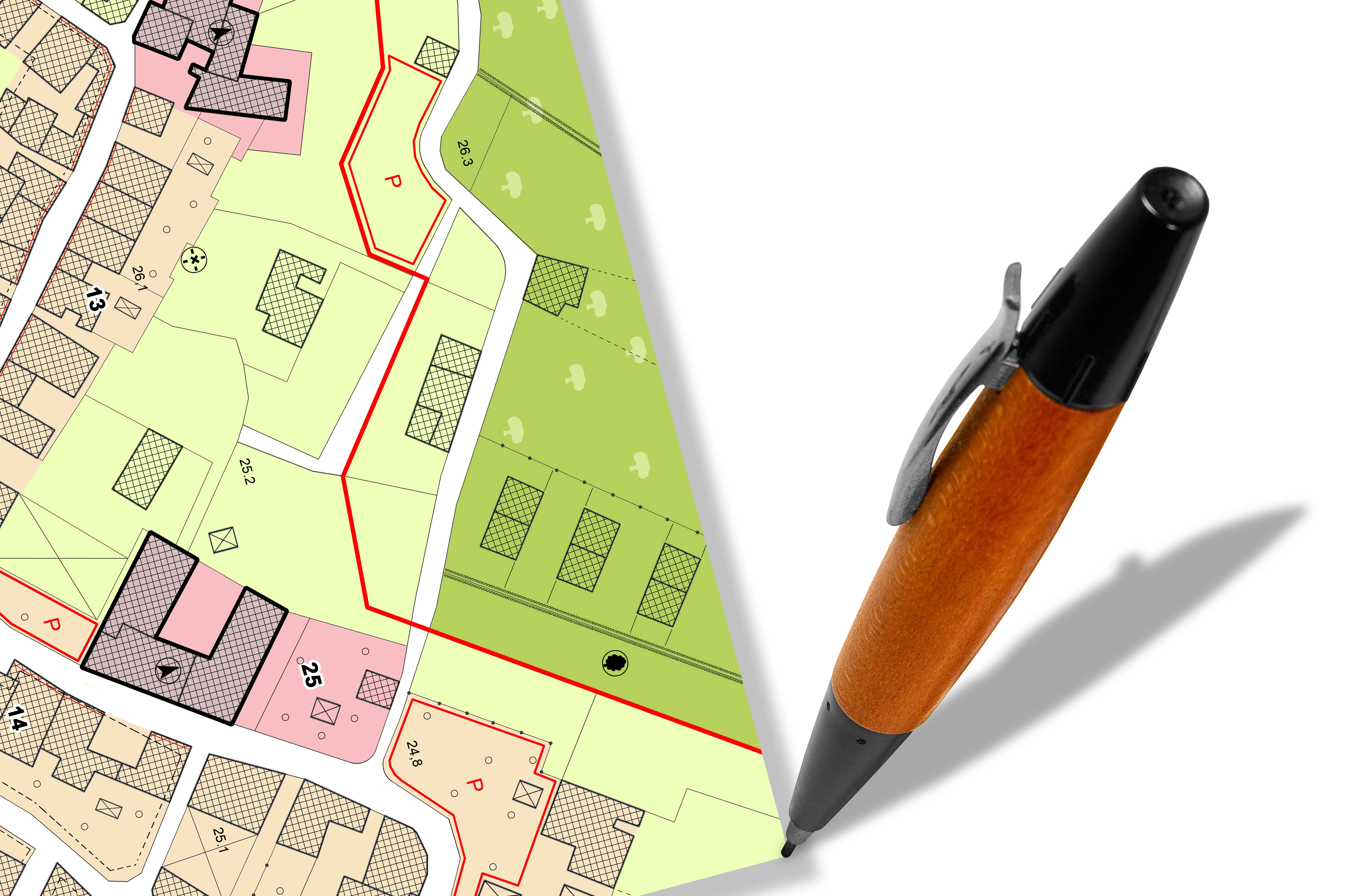
Understanding the zoning regulations for a particular area is essential for developers and property owners. It helps determine what types of developments are permissible and ensures compliance with local planning objectives.
Sustainability and Environmental Considerations
Sustainability is a key focus in Queensland's town planning services. Planners must consider environmental impacts and promote sustainable practices wherever possible. This includes integrating green spaces, promoting energy efficiency, and enhancing public transport options.
Environmental assessments are often required for major developments to evaluate potential impacts on natural resources and biodiversity.
Navigating the Approval Process
Successfully navigating the approval process requires a clear understanding of the regulatory landscape. Engaging with experienced town planners or planning consultants can be invaluable in guiding your project through the necessary steps.
By working collaboratively with local councils and stakeholders, developers can ensure that their projects meet all legal and community requirements, paving the way for successful and sustainable development.