Why Environmental Impact Assessments Are Crucial for Queensland Development Projects


Understanding Environmental Impact Assessments
Environmental Impact Assessments (EIAs) are essential tools used to evaluate the potential environmental effects of a development project before it begins. In Queensland, these assessments are particularly important given the state's diverse ecosystems and the need to balance development with conservation. EIAs provide a structured process for predicting the environmental consequences of proposed actions, ensuring that decision-makers consider environmental impacts before proceeding with projects.
The primary goal of an EIA is to prevent environmental damage. By identifying potential impacts early in the planning process, developers can adjust their plans to mitigate negative effects. This proactive approach not only protects the environment but also helps developers avoid costly changes later.
Legal Requirements and Guidelines
In Queensland, EIAs are mandated by law for certain types of projects, such as large-scale infrastructure developments, mining operations, and significant urban expansions. These assessments are governed by both state and federal regulations, ensuring that all relevant factors are considered. Compliance with these legal requirements is not just a formality; it is a critical step in securing project approval.
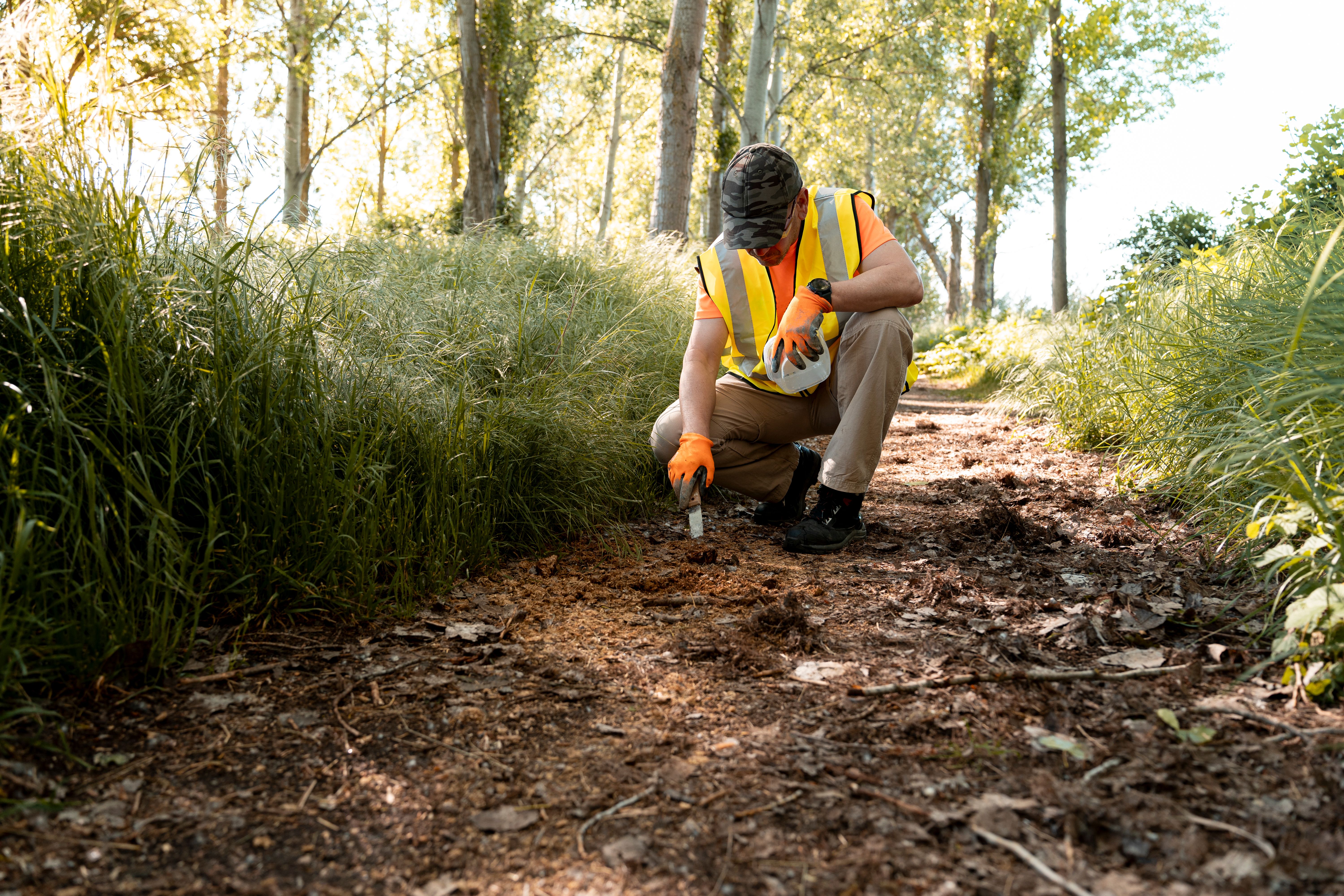
Developers must submit detailed reports outlining how their projects will affect local ecosystems, water sources, wildlife habitats, and other environmental factors. These reports are scrutinized by government bodies and often include input from environmental scientists and other experts.
The Role of Public Participation
An important aspect of the EIA process is public participation. Community members and stakeholders have the opportunity to review proposed projects and provide feedback. This input is vital as it brings diverse perspectives into the assessment process, often highlighting local environmental concerns that may not be immediately apparent to developers or government officials.

Benefits Beyond Compliance
While compliance with EIA regulations is mandatory for many projects, the benefits extend beyond mere legal adherence. Conducting thorough impact assessments can enhance a project's sustainability, making it more attractive to investors who prioritize environmental responsibility. Moreover, a well-executed EIA can improve community relations by demonstrating a commitment to minimizing environmental harm.
Additionally, EIAs can lead to innovative solutions for reducing environmental impact. Developers who engage in this process often discover new technologies or methods that improve efficiency and reduce waste.
Challenges in the EIA Process
Despite their importance, conducting an EIA can be challenging. The process is often time-consuming and requires significant resources. Developers must gather comprehensive data, which can be difficult in remote or ecologically sensitive areas. Furthermore, predicting long-term environmental impacts involves a degree of uncertainty that must be carefully managed.

Looking Towards the Future
As Queensland continues to grow and develop, the importance of Environmental Impact Assessments will only increase. Climate change and its associated challenges make it imperative to conduct thorough assessments to protect the region's natural resources. Future developments will need to incorporate adaptive strategies that account for changing environmental conditions.
Ultimately, EIAs are crucial for ensuring that Queensland's development projects are sustainable and beneficial for both people and the planet. By prioritizing environmental considerations from the outset, developers can help preserve the state's unique ecosystems for future generations.